

In the modern metal manufacturing and surface finishing industries, efficiency and precision are the key metrics that determine a factory's profitability. Traditional methods of removing burrs—such as manual filing, mechanical tumbling, or robotic grinding—frequently create bottlenecks, especially when handling complex geometries or high-volume orders. This is where the advanced plasma deburring machine (often referred to as an ion deburring machine) enters the market as a game-changing solution. Leading deburring machine manufacturers, such as Bayi Company, have revolutionized this sector. By utilizing state-of-the-art plasma polishing technology, Bayi's systems don’t just eliminate burrs; they simultaneously deliver high-end metal polishing, providing a seamless, high-efficiency solution for precision metal components.
Chapter 1: Decoding the Processing Time – Standard Cycle Times by Workpiece
When evaluating how efficient a deburring machine is, the first metric to examine is the standard processing cycle time. The overall efficiency of a plasma system is highly dependent on workpiece size and structural complexity. However, for batch-oriented, continuous production, its throughput advantages are unmatched.
● Small-Scale Precision Components: For micro-hardware such as MIM (Metal Injection Molding) parts, high-end earrings, micro-screws, and micro-valve bodies, parts are loaded into the plasma tank en masse via specialized baskets. A single batch—containing anywhere from dozens to hundreds of pieces—takes a mere 1 to 5 minutes to process. This translates to an hourly yield of several thousand pristine parts.
● Medium-Sized Automotive & Hardware Parts: Components like hydraulic joints, valve blocks, copper tubes, and precision stamping parts typically require a single-hanging or multi-clip rack setup. The processing duration ranges stably from 3 to 8 minutes per rack, yielding hundreds of finished parts per hour with complete consistency.
● Large and Heavy Workpieces: For thick-walled titanium alloy parts or large industrial structural components, the process takes about 8 to 15 minutes per cycle. While the per-piece time is longer, the machine handles complex internal contours perfectly, yielding dozens of high-value parts per hour.
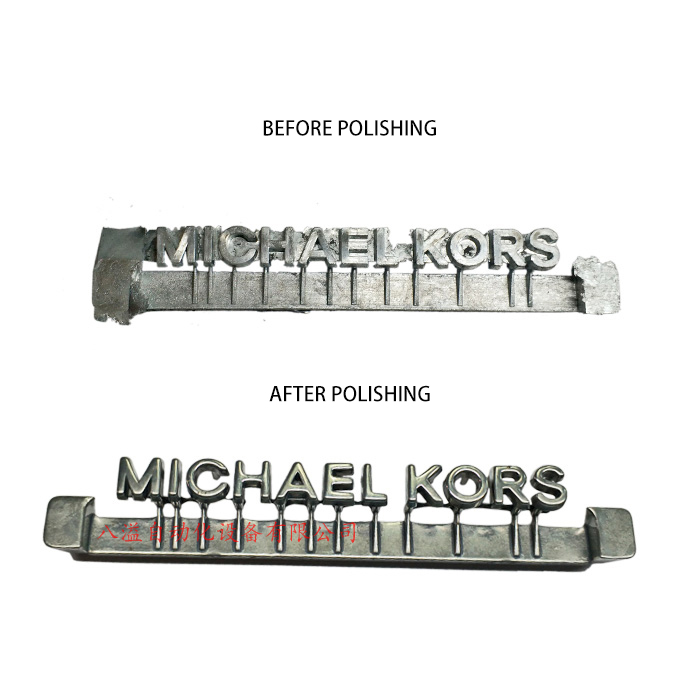
Chapter 2: Efficiency Showdown – Plasma Deburring vs. Traditional Methods
To understand the true capabilities of a modern metal deburring machine, we must contrast it directly with legacy finishing methodologies:
● Vs. Manual Buffing Wheels (Efficiency Boost: 3x to 8x): Manual deburring is highly labor-intensive, time-consuming, and prone to human error or fatigue. A technician can only polish one piece at a time. A plasma system from a professional deburring machine factory processes an entire batch simultaneously within a single tank. A single operator can manage multiple machines, dramatically reducing labor costs and cycle times.
● Vs. Vibratory Tumbler / Rotary Finishing: While vibratory tumblers work well for simple exterior surfaces, they require hours of rolling friction, often leave media lodged in holes, and require extensive post-washing. Plasma deburring completes the process in minutes, accesses deep internal cavities or cross-holes effortlessly, and requires zero abrasive media removal.
● Vs. Robotic Arm Grinding: Industrial robots excel at flat surfaces, but struggle with intersecting holes, internal crevices, and tight angles, requiring complex multi-axis reprogramming and frequent tool-tip replacements. Plasma creates an all-encompassing electric field in the electrolyte, treating all interior and exterior surfaces simultaneously in a single immersion, doubling the efficiency for complex geometries.
Chapter 3: Key Factors Influencing Real-World Production Efficiency
While plasma technology offers rapid throughput, several operational variables dictate the final output in a live production environment:
1.Burr Dimension & Profile: Micro-burrs resulting from precision CNC machining or milling dissolve almost instantly. In contrast, heavy, thick stamping flash or casting burrs cannot be fully removed in one step and require a rough pre-treatment, which extends the overall workflow duration.
2.Material Metallurgy: Chemical composition changes reaction speeds. 304 stainless steel reacts exceptionally fast in the plasma environment. Materials like titanium alloys, copper, and nickel-based superalloys exhibit slower electrochemical reactions, requiring moderately extended processing cycles.
3.Equipment Automation Level: A standard standalone machine relies on manual loading. However, investing in a high-end setup with automated conveyor lines eliminates idle time, enabling 24/7 continuous operation. This boosts overall factory capacity by 40% to 70% compared to manual configurations.
4.Target Finishing Quality: If the operational objective is purely burr removal, cycle times remain minimal. If the goal is a premium mirror-finish polish combined with deburring—a specialty of Bayi Company's plasma polishing systems—the processing duration will approximately double to achieve the required surface gloss.
Chapter 4: The Ultimate ROI Solution – Comprehensive Production Efficiency Advantages for Metal Polishing Factories
For metal finishing and polishing enterprises looking to upgrade their production lines, a plasma system represents the ultimate all-in-one solution. Rather than treating deburring and polishing as fragmented steps, experienced deburring machine manufacturers like Bayi configure the system to optimize the entire factory floor:
● Multi-Process Integration: In a single immersion cycle, the machine simultaneously completes deburring, de-oxiding, heat-tint removal, and micro-scratch leveling. This replaces three separate traditional stations with a single automated machine.
● Streamlined Post-Treatment: Because the electrolyte used is environmentally friendly and water-soluble, there are no sticky polishing waxes, toxic compounds, or abrasive media embedded in the parts. A simple clean-water rinse is all it takes, reducing post-processing wash times to a fraction of traditional methods.
● Unparalleled Operational Stability: Unlike manual labor prone to fatigue or robotic setups prone to mechanical wear and calibration drift, plasma equipment operates on a closed-loop, constant-temperature control system. It provides highly reliable, uniform cycle times day and night, insuring predictable mass production schedules.