

Introduction: The Biggest Misunderstanding About Plasma Polishing Machines
Many manufacturers assume that a plasma polishing machine is difficult to operate because it sounds highly technical and advanced. When people hear terms like plasma polishing technology, they often imagine complicated programming systems, chemical formulas, or CNC-level operational requirements.
In reality, modern metal polishing machines are designed to simplify production rather than complicate it.
Today's intelligent plasma polish systems are becoming more automated, more stable, and far easier to manage than traditional grinding or mechanical polishing equipment. Compared with conventional polishing machines, plasma systems reduce manual labor, minimize operator dependency, and allow ordinary workers to quickly become productive.
For many factories, the real surprise is not how difficult the machine is—but how unexpectedly simple it becomes after the initial setup.
This article will completely break away from the traditional “machine introduction” style. Instead of only discussing technical parameters, we will explore how modern plasma polishing technology is reshaping factory labor structures, training efficiency, and production management.
Chapter 1: Plasma Polishing Machines Are Designed for Production Stability, Not Technical Complexity
Traditional polishing methods often rely heavily on skilled workers. A conventional polisher machine may require years of experience to control polishing pressure, angle, speed, and consistency. Different workers can produce completely different surface results.
This is exactly where plasma polishing technology changes the industry.
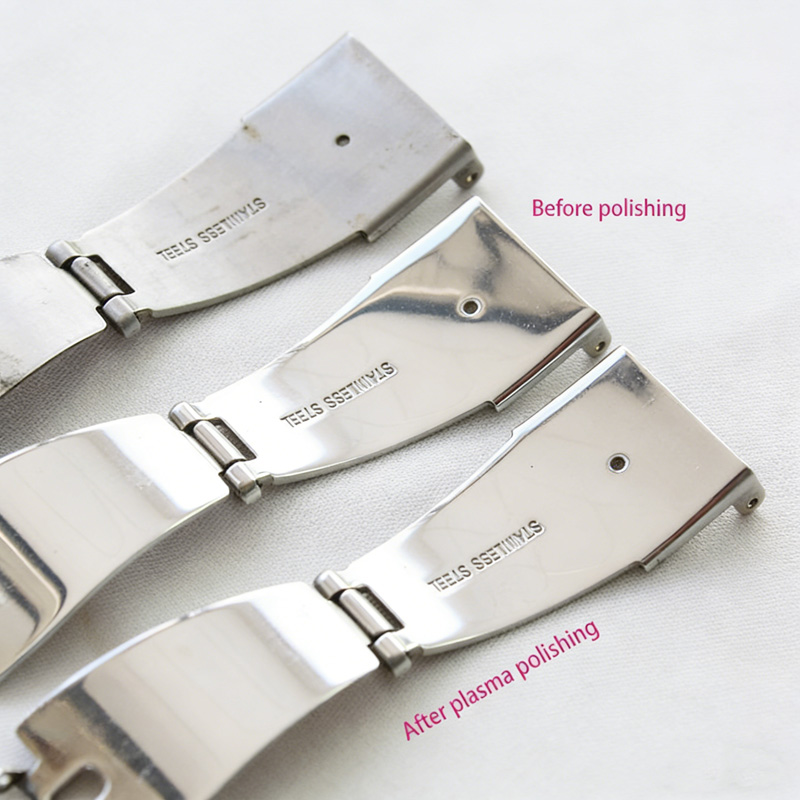
A modern plasma polishing machine transforms polishing from a “human-skill-dependent process” into a “parameter-controlled process.” Once the polishing parameters are optimized, they can be permanently stored inside the system. Operators simply select the saved recipe and start production.
This changes the entire operational logic of the factory.
Instead of relying on experienced technicians every day, factories can standardize production with simple workflows:
● Load the workpieces
● Select the saved program
● Start the machine
● Wait for automatic completion
● Clean and dry the parts
Compared with traditional metal polishing machines, this dramatically lowers operational uncertainty.
For manufacturers facing labor shortages, rising wages, and employee turnover, this simplicity is not just convenient—it is strategically important.
Chapter 2: The Real Operational Difficulty Is Much Lower Than CNC or Grinding Machines
One interesting phenomenon in manufacturing is that many people fear unfamiliar equipment more than genuinely difficult equipment.
A CNC machining center may require:
● G-code programming
● Tool compensation settings
● Precision calibration
● Coordinate system adjustments
● Machining strategy optimization
A grinding machine operator often needs years of practical experience to achieve stable surface quality.
But a modern plasma polishing machine works very differently.
The machine itself handles most of the polishing consistency automatically through electrical and thermal control systems. Operators are not manually controlling polishing pressure every second like in traditional methods.
In many factories, ordinary workers can learn the full production process within a single day.
This is why many polishing machine manufacturers are now emphasizing “intelligent operation” rather than “complex functionality.”
The future of industrial equipment is not about making machines harder to use. It is about making advanced processes accessible to more factories.
Chapter 3: Plasma Polishing Technology Reduces Dependence on Skilled Labor
One of the biggest hidden advantages of plasma polishing technology is not polishing quality—it is labor simplification.
Traditional polishing workshops often suffer from:
● High training costs
● Difficulty hiring experienced workers
● Inconsistent product quality
● Heavy labor intensity
● High employee turnover
Modern polishing machine for metal systems are helping factories solve these long-term management problems.
Because process parameters can be stored digitally, factories no longer depend heavily on individual worker experience. Even when operators change, production consistency can remain stable.
This changes workforce management entirely.
A single operator can often supervise multiple metal polishing machines simultaneously, improving labor efficiency while reducing operational costs.
For many factory owners, this is becoming more valuable than the polishing effect itself.
Chapter 4: Why Chinese Plasma Polishing Machine Manufacturers Focus on Automation
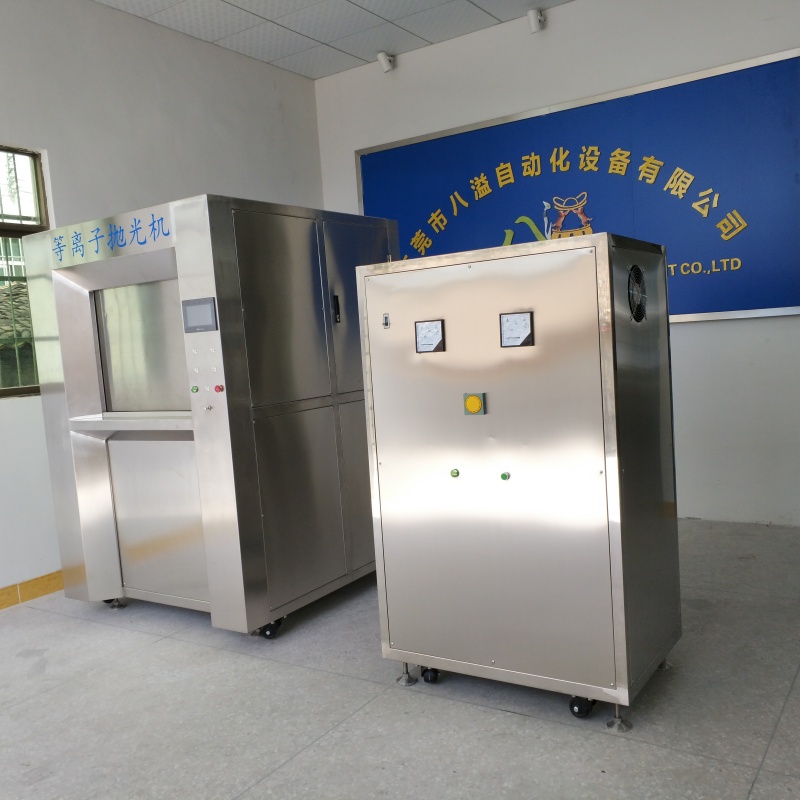
The rapid growth of the global manufacturing industry has pushed many china polishing machine suppliers to accelerate automation development.
Today, leading polishing machine china manufacturers are no longer competing only on machine price. They are competing on:
● Ease of operation
● Process stability
● Remote technical support
● Intelligent parameter systems
● Production scalability
This is why modern plasma polishing machine systems increasingly include:
● Recipe memory functions
● Touch-screen operation
● Automatic timing systems
● Temperature monitoring
● Intelligent alarms
● Remote troubleshooting support
The goal is simple: reduce operational barriers for customers.
In the future, the most successful polishing machine manufacturer will not necessarily be the one building the most complicated machine. It will be the one building the easiest machine to mass-produce with.
Chapter 5: The Future of Plasma Polishing Is “Invisible Complexity”
The most advanced manufacturing equipment in the future will likely share one common characteristic:
The complexity will exist inside the system—not in the operator’s hands.
This is already happening in modern smartphones, electric vehicles, and intelligent factories.
The same trend is transforming plasma polishing technology.
The machine internally handles:
● Power control
● Electrolyte management
● Temperature balance
● Timing optimization
● Surface reaction stability
Meanwhile, operators only interact with a simplified production interface.
This concept is called “invisible complexity.”
The user experience becomes easier while the technology inside becomes more advanced.
That is why modern plasma polish systems are becoming increasingly attractive for factories transitioning toward smart manufacturing.
FAQ
1. Is a plasma polishing machine suitable for beginners?
Yes. Most modern systems are highly automated and require only short-term training.
2. Is plasma polishing harder than mechanical polishing?
Usually no. In many cases, it is easier because the process is digitally controlled.
3. Why are more factories choosing plasma polishing technology?
Because it improves consistency, reduces labor dependence, and supports scalable production.