

1. Introduction: The Real Concern Behind Copper Polishing
In precision manufacturing, copper is widely used for its excellent conductivity and machinability. However, when it comes to surface finishing, especially with a plasma polishing machine, one critical concern arises:
Will extended polishing time cause corrosion or make copper parts thinner?
This question reflects a deeper misunderstanding between corrosion and controlled material removal. As advanced copper polishing technologies evolve, it becomes essential to distinguish between damage and precision engineering.
2. Understanding Copper's Nature in Surface Finishing
Copper is a chemically active metal, which means it reacts easily with its environment. During traditional polishing copper processes, this often leads to oxidation, uneven finishes, and surface instability.
Unlike stainless steel, copper requires more delicate handling. This is why advanced copper polishing machine solutions are designed with specialized parameters to avoid uncontrolled reactions.
3. What Happens During Plasma Polishing? (Beyond the Basics)
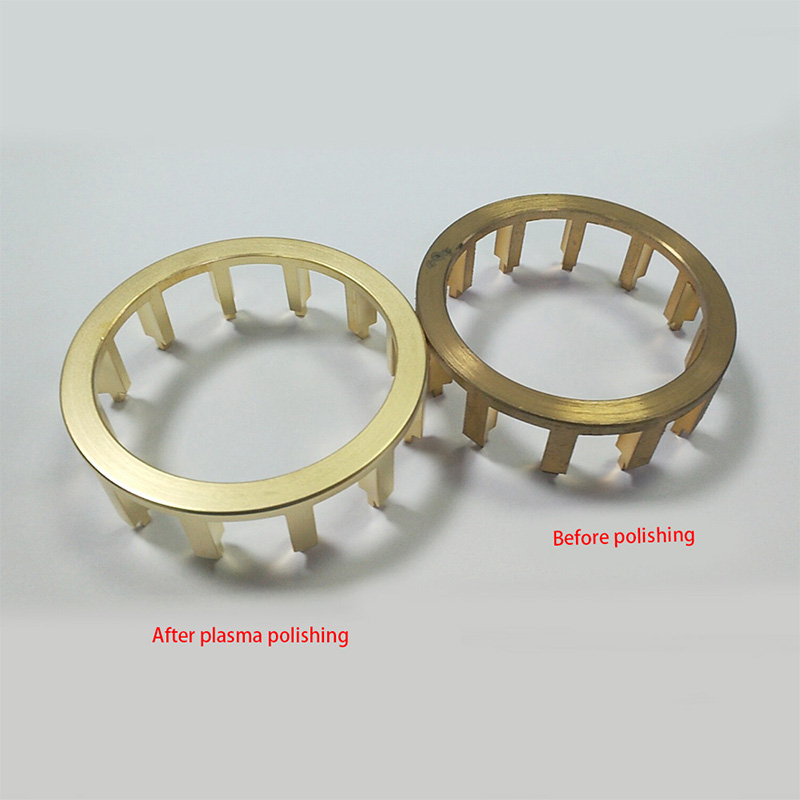
Plasma polishing is not simply “polishing” — it is a controlled electrochemical and plasma-assisted micro-etching process.
Instead of aggressive abrasion, the plasma polishing machine removes material at a microscopic level. The key advantage is uniformity: every exposed surface undergoes the same level of refinement.
This ensures that polished copper surfaces achieve high brightness without localized damage.
4. Does Longer Polishing Time Lead to Corrosion?
The short answer is: No, but it depends on control.
Longer polishing time does not cause traditional corrosion. Instead, it increases the amount of material removed.
However, if parameters exceed safe limits, the surface may:
● Darken
● Become rough
● Lose its mirror finish
This is not corrosion in the classical sense—it is over-processing.
5. The Concept of “Uniform Thinning” – A Misunderstood Advantage
One of the most misunderstood aspects of plasma polishing is uniform thinning.
Yes, copper parts do become thinner—but in a highly controlled and uniform way, typically in the micron range.
This actually improves:
● Surface smoothness
● Dimensional consistency
● Functional performance
Unlike corrosion, there is no pitting, no holes, and no localized damage.
6. Critical Parameters That Decide the Outcome
The final result of copper polishing depends on three key parameters:
● Time
● Current
● Temperature
Professional polishing machine manufacturer designs systems that precisely control these variables.
Additionally, copper-specific electrolytes ensure that reactions remain stable and predictable.
7. When Problems Actually Occur (And Why)
Problems occur only when the process goes beyond optimal limits.
Common mistakes include:
● Excessive polishing time
● High current density
● Using non-specialized machines
A general-purpose system from a low-end polishing machine factory may not provide the control required for copper.
8. How to Achieve Perfect Copper Polishing Without Over-Thinning
To achieve optimal results:
● Use short, controlled polishing cycles
● Apply copper-specific parameters
● Select the best copper polish process based on application
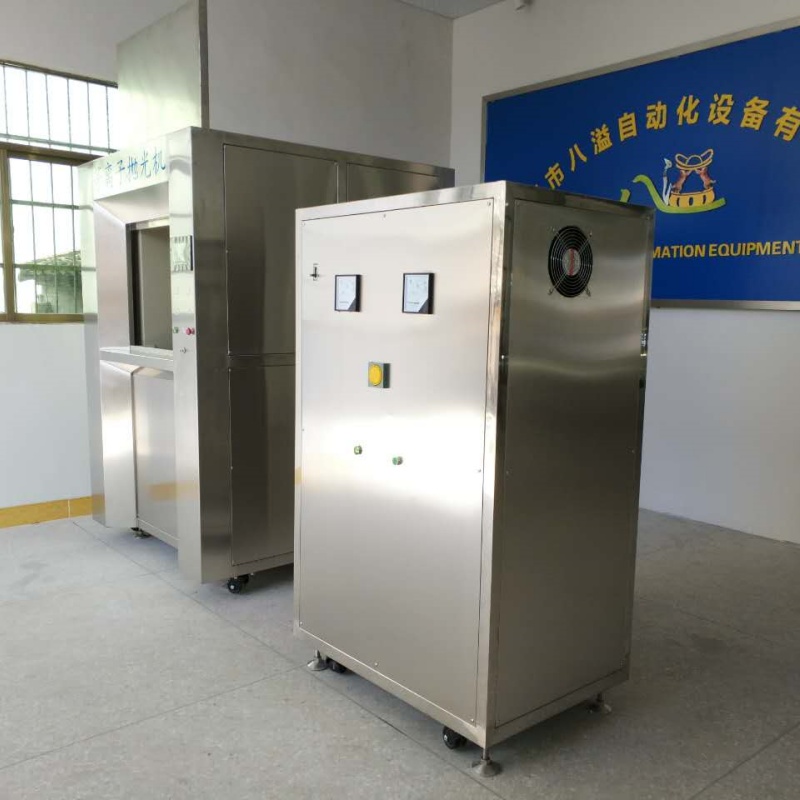
Modern copper polishing machine systems allow precise control over micron-level removal.
9. Plasma vs Traditional Copper Polishing: A New Perspective
Compared to traditional mechanical polishing, plasma polishing offers:
● Higher efficiency
● Better consistency
● No manual variability
This is why leading polishing machine manufacturer companies are shifting toward plasma technologies.
10. Conclusion: Controlled Thinning Is Not Corrosion
Copper parts will not be “corroded” in plasma polishing under proper conditions.
Instead, they undergo controlled, uniform, micron-level material removal.
The real risk lies not in the technology—but in improper parameter control.