

Introduction
Deburring is one of those hidden production costs that quietly eats time, labor, and margins. For manufacturers working with die-cast, stamped, or machined metal parts, burrs and flash are inevitable — and removing them efficiently is critical to product quality, safety, and throughput. That’s why plasma deburring has become a game-changer across industries.
What is Plasma Deburring?
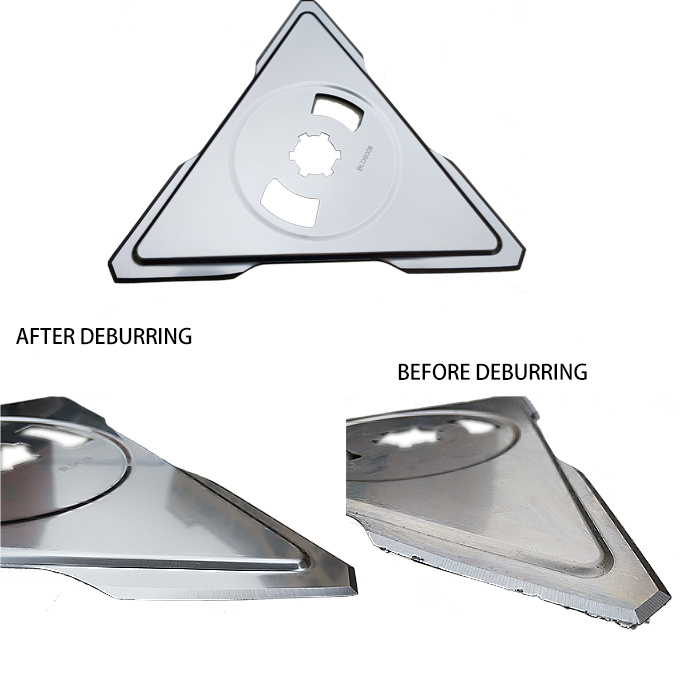
Plasma deburring uses a high-energy plasma arc to remove burrs, flash, and micro-protrusions from metal parts without mechanical scraping or aggressive chemical treatments. The process is highly controllable, leaving smooth edges and minimal heat-affected zones — ideal for precision components and high-volume production.
Top Advantages of Plasma vs. Traditional Methods
Manufacturers switch to plasma-based solutions because the benefits are clear:
- Speed & consistency: Automated plasma cells process parts faster than manual filing or vibratory polishing.
- No chemicals, less waste: Eliminates costly chemical deburring and associated disposal costs — a greener metal deburring solution.
- High precision: Reaches complex geometries and internal features safely, improving first-pass yield.
- Lower scrap & rework: Gentle, controlled material removal preserves part tolerances and finish.
- Easy automation: Integrates with conveyors, robots, and inspection systems — ideal for modern production lines using Automatic Deburring Machine workflows.
- Scalability: From small runs to high-volume lines, plasma systems scale without large increases in labor.
Where Plasma Deburring Shines
Typical applications include:
- Die-casting and magnesium/aluminum castings
- Stamped steel and sheet-metal parts
- Precision aerospace and medical components
- Automotive brackets, housings, and connectors
- Electronics and connector assemblies that demand clean edges
How to Evaluate Metal Deburring Equipment
When comparing Deburring machine options, evaluate these key factors:
- Throughput requirements: Parts per hour, cycle time, and whether you need inline automation.
- Compatibility: Material types (aluminum, copper, alloy steels) and part geometry.
- Control & programmability: PLC/touch-screen recipes for repeatable plasma deburring cycles.
- Safety & emissions: Proper shielding, filtration, and local exhaust for operator safety.
- Service & training: Local support, spare parts, and operator training — especially important when selecting Plasma deburring machine manufacturers.
- Total cost of ownership: Compare purchase price, labor savings, chemical disposal, scrap reduction, and maintenance.
Real ROI Drivers
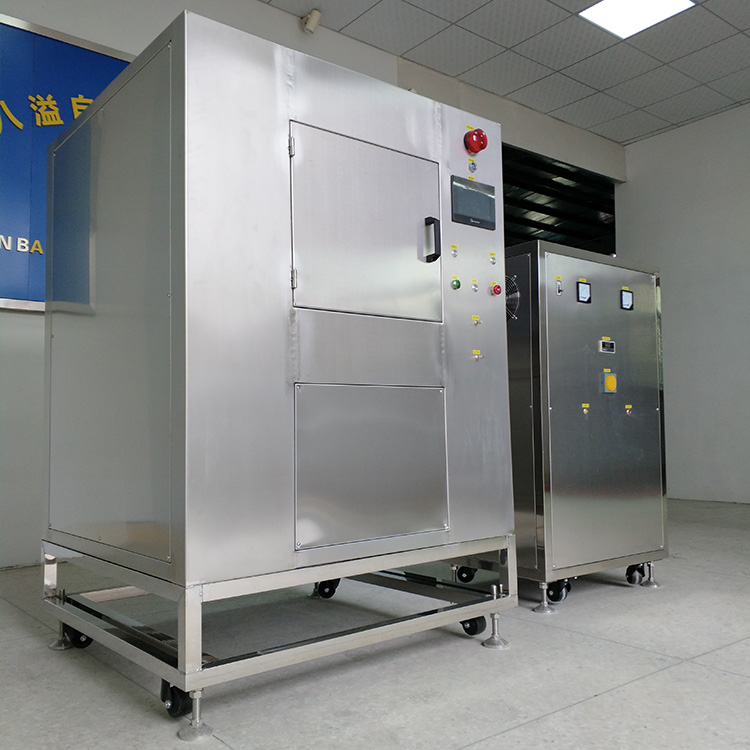
Switching to a Plasma Deburring Machine typically reduces manual labor and rework, shortens cycle times, and eliminates recurring chemical costs. While each plant’s numbers differ, manufacturers commonly see:
- Reduced deburring labor (headcount or hours)
- Lower scrap and rework rates
- Faster throughput and shorter lead times
- Improved product surface quality and fewer customer returns
Want a precise ROI estimate? Provide your current deburring throughput and labor costs and we’ll run a quick calculation.
Why Choose Bayi for Metal Deburring Solutions
As a Chinese manufacturer specializing in advanced finishing systems, Bayi designs metal deburring equipment to meet international production standards. Our advantages include:
- Turnkey Automatic Deburring Machine cells ready for line integration
- Customizable process recipes for different alloys and part geometries
- Engineering support for automation, fixtures, and quality inspection integration
- Training and remote support to get your line running quickly
FAQs
Q: Can plasma deburring handle small, delicate parts?
A: Yes — plasma parameters can be finely tuned for delicate components, avoiding surface damage while removing burrs.
Q: Is plasma suitable for all metals?
A: Plasma works well for many common alloys (aluminum, copper, brass, steels). Material-specific tuning is required for best results.
Q: How does plasma compare with tumbling or manual deburring?
A: Plasma is faster, more consistent, and better for complex geometries where tumbling or manual methods struggle.
Getting Started — Quick Checklist
- Identify your current deburring bottlenecks (time, quality, cost).
- Collect representative parts and cycle requirements.
- Request a demo or sample processing from plasma deburring machine manufacturers.
- Evaluate integration needs with conveyors/robotics for an Automatic Deburring Machine solution.
- Compare warranties, local support, and spare-part availability.
© Bayi Metal Finishing Solutions. All rights reserved. — For demo requests, sample processing, and technical inquiries, contact our sales team.