

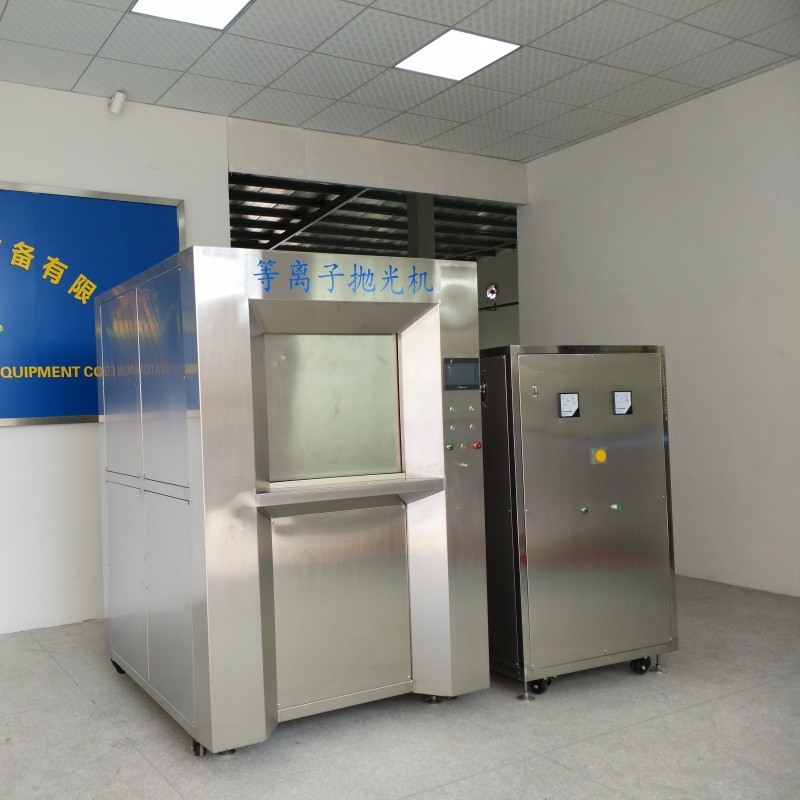
In the field of metal surface treatment, a well-performing plasma polishing machine is crucial for achieving high precision, mirror-like finishes, and consistent results. Whether processing stainless steel components, aluminum parts, or precision hardware, plasma polishing machines are indispensable. As a key piece of modern manufacturing equipment, neglecting maintenance can lead to reduced polishing efficiency, inferior surface quality, and costly downtime. To maximize the value of your plasma polishing machine and ensure stable operation, we’ve compiled essential maintenance tips based on the practical experience of Bayi Automation (Dongguan Bayi Automation Equipment Co., Ltd.), a professional provider of automated polishing solutions.
1. Daily Cleaning: The First Line of Defense
Residues generated during polishing, such as metal oxides, electrolyte deposits, and dust, can accumulate on the worktable, electrode, and liquid circulation system. These residues not only affect polishing uniformity but may also corrode critical components.
Procedure: After each shift, wipe the worktable and electrode with a soft, lint-free cloth. Drain and rinse the electrolyte tank weekly (or as recommended by the equipment manual) to remove deposits. Avoid abrasive cleaners to prevent scratches on the tank lining.
Tip: For automated plasma polishing machines (like those from Bayi Automation), pay special attention to the guide rails of the automatic feeding system to prevent debris from jamming mechanical parts, which could affect positioning accuracy.
2. Regular Component Inspection: Catch Problems Early
Key components such as electrodes, high-voltage cables, and pumps can wear over time. Timely inspections prevent unexpected failures.
- Electrode Inspection: Check weekly for wear, deformation, or oxidation. Replace electrodes if the tip wears over 3 mm. Bayi Automation provides compatible electrodes to maintain stable polishing performance.
- Cables & Hoses: Inspect high-voltage cables and electrolyte hoses for cracks, leaks, or loose connections. Damaged cables can destabilize plasma discharge, while leaking hoses pose environmental hazards.
- Fasteners: Vibrations may loosen screws on frames or brackets. Inspect and tighten all visible fasteners monthly to ensure structural stability.
3. Lubrication: Ensure Smooth Mechanical Operation
Rails, bearings, and rotating mechanisms require proper lubrication to reduce friction and avoid premature wear. For high-frequency automated machines, this is particularly critical.
- Lubricant Selection: Use high-temperature, corrosion-resistant lubricants (consult the manual or Bayi Automation’s technical team). Avoid over-application to prevent dust accumulation and sticky residues.
- Lubrication Schedule: Lubricate rails and bearings every two weeks; for high-frequency operation, shorten to once per week. Wipe off excess lubricant to keep parts clean.
4. Electrical System Maintenance: Ensure Safety and Stability
The electrical system, including control panels, circuit breakers, and power supplies, is the “brain” of the machine. Improper maintenance can compromise performance and safety.
- Daily Check: Before startup, check the control panel for error codes or abnormal indicators. Ensure emergency stop buttons function correctly — a critical safety measure.
- Monthly Deep Inspection: Power off the machine, clean the electrical cabinet with dry air, and inspect terminal connections for looseness or overheating (e.g., discoloration) to prevent short circuits.
5. Precision Calibration: Maintain Consistent Polishing Quality
Electrode wear and mechanical drift may cause plasma polishing parameters (discharge intensity, processing time) to deviate. Regular calibration ensures consistent results.
- Parameter Calibration: Verify polishing performance monthly using standard test pieces. Adjust parameters like voltage and electrolyte concentration if surface roughness exceeds standards. Bayi Automation also provides remote calibration support.
- Mechanical Calibration: Automated machines require quarterly calibration of robotic arm positioning to align accurately with the worktable, preventing uneven polishing due to misalignment.
6. Professional Servicing: Prevent Major Failures
While daily maintenance addresses most issues, annual professional servicing is essential to identify hidden risks and extend equipment lifespan.
- Service Content: Includes thorough inspection of hydraulic systems, replacement of aging parts (seals, filters), and software upgrades for automated plasma polishing machines.
- Benefits: Reduces the risk of unexpected downtime, lowers long-term maintenance costs, and ensures the machine operates at peak performance.
Conclusion
Maintaining a plasma polishing machine is not just about “fixing problems”; it’s a proactive approach to ensure consistent polishing quality, minimize downtime, and maximize equipment ROI. By following these essential tips — from daily cleaning to professional servicing — both standard and automated machines from Bayi Automation can maintain excellent performance over the long term.
If you have further questions about plasma polishing machine maintenance or need technical support from Bayi Automation, our team is ready to help optimize your metal surface treatment processes!