

1. Introduction: The High Stakes of Industrial Metal Finishing
For modern manufacturing enterprises, selecting the wrong industrial polishing machine is an expensive mistake that triggers a chain reaction of production bottlenecks, high rejection rates, and inflated labor costs. Traditional mechanical polishing often struggles with complex geometries, leaving burrs in hard-to-reach areas and failing to deliver a consistent finish. If you want to scale production and safeguard your profit margins, you must look past generic marketing promises. To find a professional polishing machine that delivers true commercial value, factory decision-makers need a data-backed evaluation framework. By focusing on advanced plasma polishing machine technology and rigid manufacturing standards, you can eliminate the guesswork and secure a high-ROI finishing solution for your metal components.
2. Standard 1: Demand a Verified Sample Testing Process
The first non-negotiable criterion when evaluating a polishing machine manufacturer is their willingness and ability to provide upfront sample testing. A reliable partner never asks you to buy based on estimates. For instance, before finalizing any partnership, Bayi enforces a mandatory work-piece testing protocol. We analyze your actual metal parts, precisely recording core operational variables such as electrical current densities, voltage stability, and exact processing cycle times. By simply providing your target daily output and required shift hours, a professional polishing machine factory can match the equipment configuration mathematically to your operational reality. This ensures that the metal polishing machine delivered to your floor performs exactly as promised, completely eliminating purchasing risk.
3. Standard 2: Material Transparency and Build Quality
Buyers often fall into the trap of looking only at the initial price tag, ignoring the hidden costs of machine downtime. When evaluating a polishing machine factory, you must demand absolute transparency regarding internal materials and electronic components. High-quality switchgear, premium control units, and robust stainless steel structural frameworks are critical to ensuring equipment longevity. At Bayi, we provide a fully auditable component manifest for every single metal polishing machine we build. By refusing to cut corners on raw materials and electronic elements, we minimize failure rates and extend operational lifespans. Investing in hardware built with transparently premium materials is the single best way to reduce total cost of ownership and save real money over time.
4. Standard 3: Lifecycle Post-Purchase Support and Technical Onboarding
A professional polishing machine is only as good as the service ecosystem supporting it. The transaction does not end when the freight arrives; that is where the real integration begins. A world-class polishing machine manufacturer provides a dedicated, structured onboarding process. This includes pre-delivery floor guidance to prepare your facility, followed by on-site installation, precision calibration, and exhaustive operator training. If your team encounters operational issues, a fast response mechanism must be in place. Bayi offers one-on-one high-definition video technical support for instant troubleshooting. For complex technical anomalies that cannot be resolved remotely, we immediately dispatch field engineers to your facility, ensuring your manufacturing line remains up and running.
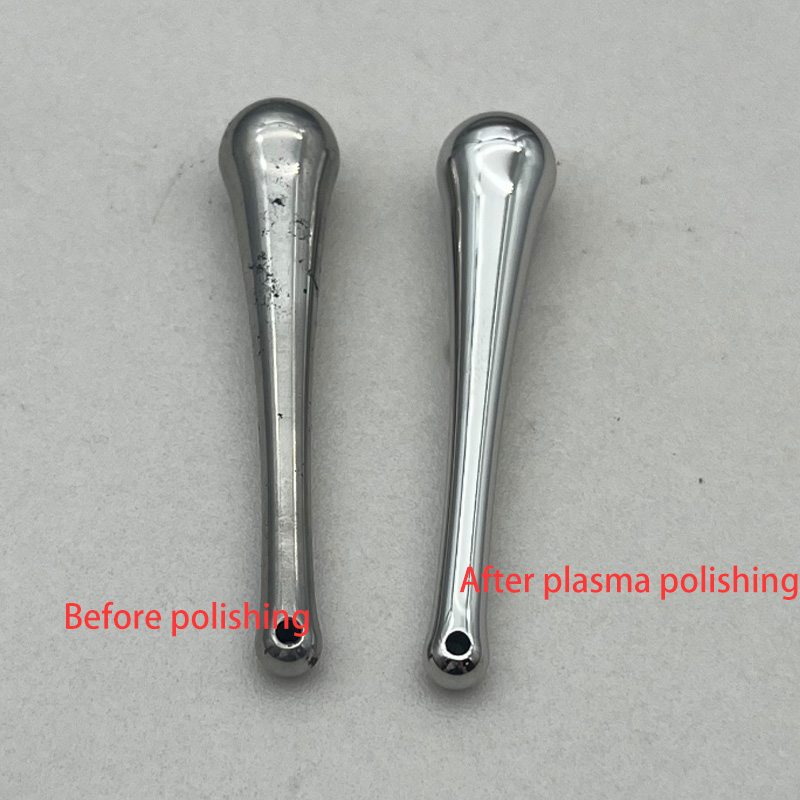
5. Why a Professional Plasma Polishing Machine Outperforms Traditional Methods for Metal Parts
When polishing stainless steel and other metal alloys, using a plasma polishing machine represents a significant leap forward in both quality and efficiency. Traditional mechanical methods are labor-intensive, create hazardous dust, and frequently alter delicate part dimensions. In contrast, plasma technology uses an environmentally friendly electrolyte solution and electrical currents to form a controlled plasma gas layer around the metal part. This process achieves high-precision metal polishing and deburring simultaneously, even within microscopic cracks and complex blind holes. Whether your goal is removing stubborn burrs or achieving a flawless mirror-like stainless steel finish, this advanced polishing machine solution delivers unbeatable surface consistency without compromising geometric tolerances.
6. Conclusion: Secure Your Production Line with a Reliable Polishing Partner
Choosing an industrial metal polishing machine does not have to be a risky gamble. By insisting on rigorous sample testing, demanding component material transparency, and verifying robust lifecycle service agreements, you can protect your factory from costly purchasing mistakes. As an established leader in the field, Bayi combines cutting-edge plasma polishing innovations with an unyielding commitment to build quality and customer care. Do not settle for unverified equipment from an ambiguous supplier. Partner with a trusted polishing machine manufacturer that offers data-driven proof before you buy, transparent bills of materials, and rapid technical support to keep your automated workflows running smoothly for years to come.
7. FAQs
Q1: What metals are best suited for a plasma polishing machine?
A: Plasma systems are highly effective on a wide range of conductive metals, including stainless steel, copper alloys, aluminum, titanium, and zinc alloys. It is especially renowned for creating a pristine mirror finish on stainless steel components.
Q2: How long does a typical plasma polishing cycle take for stainless steel parts?
A: Unlike traditional processes that take hours, a standard cycle in a plasma polishing machine takes only dozens of seconds to a few minutes, depending on the initial surface roughness and the desired specification.
Q3: Can a professional polishing machine handle both deburring and mirror finishing simultaneously?
A: Yes. A high-end professional polishing machine utilizing plasma technology naturally concentrates energy on micro-protrusions and sharp corners, removing burrs while simultaneously leveling the entire surface to a mirror finish in a single integrated step.