

1. Introduction to Plasma Polishing Machine
A plasma polishing machine is an advanced surface finishing solution that uses electrochemical and plasma effects to achieve ultra-smooth, high-gloss metal surfaces. Unlike traditional mechanical polishing methods, plasma polishing works without physical abrasion, making it ideal for precision components and complex geometries.
As manufacturing industries increasingly demand higher surface quality, lower environmental impact, and improved efficiency, plasma polishing machines have become a preferred alternative to conventional polishing systems. From medical implants to aerospace parts, this technology delivers consistent results while reducing labor and consumable costs.
For buyers evaluating a polishing machine manufacturer, understanding how plasma polishing works—and what affects polishing machine price—is essential for making an informed investment decision.
2. What Is a Plasma Polishing Machine and How Does It Work?
A plasma polishing machine operates based on electrochemical polishing principles. When a metal workpiece is submerged in a special electrolyte and connected to a high-current power supply, a plasma layer forms on the metal surface. This plasma selectively removes microscopic surface peaks, resulting in a smooth and uniform finish.
Unlike traditional polishing, plasma polishing calculates current based on the total exposed surface area of the workpiece—not just one side, but all areas in contact with the electrolyte. This ensures consistent polishing results across complex shapes, internal cavities, and sharp edges.
3. Key Advantages of Plasma Polishing Machines
3.1 Superior Surface Quality
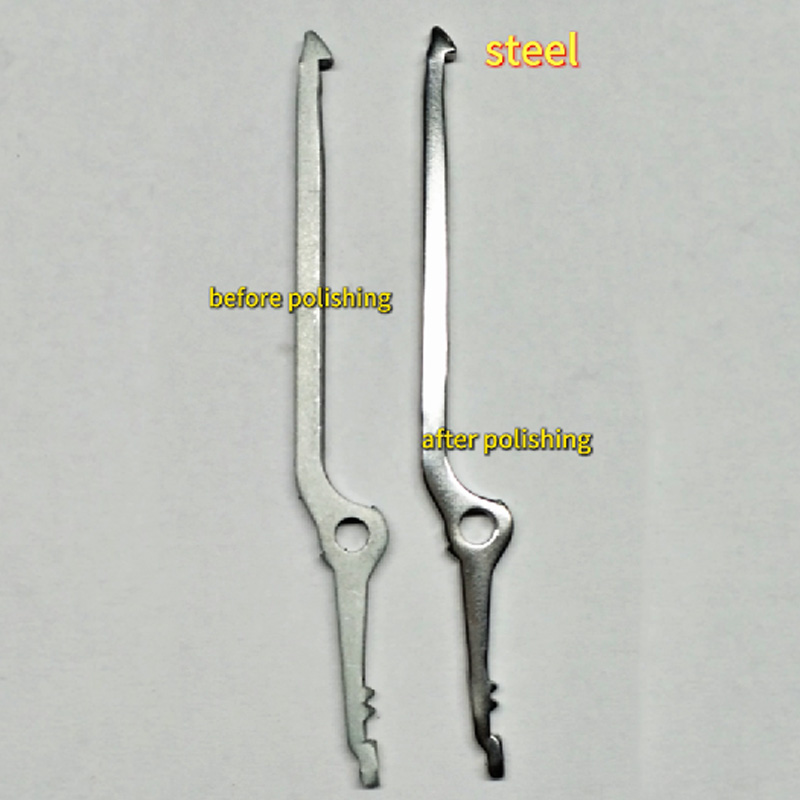
Plasma polishing delivers mirror-like finishes without mechanical stress. The process eliminates micro-burrs and surface defects while maintaining dimensional accuracy.
3.2 Environmentally Friendly Polishing Process
Compared to traditional polishing, plasma polishing uses fewer chemicals, produces less waste, and significantly reduces manual labor, making it an eco-friendly solution.
3.3 High Efficiency for Complex Geometry Parts
Internal holes, blind cavities, and intricate shapes can all be polished uniformly—something mechanical polishing struggles to achieve.
4. Workpiece Size and Weight Limitations: What You Need to Know
A common question when investing in a plasma polishing machine is whether there are limitations on workpiece size or weight. In practice, size plays a more critical role than weight.
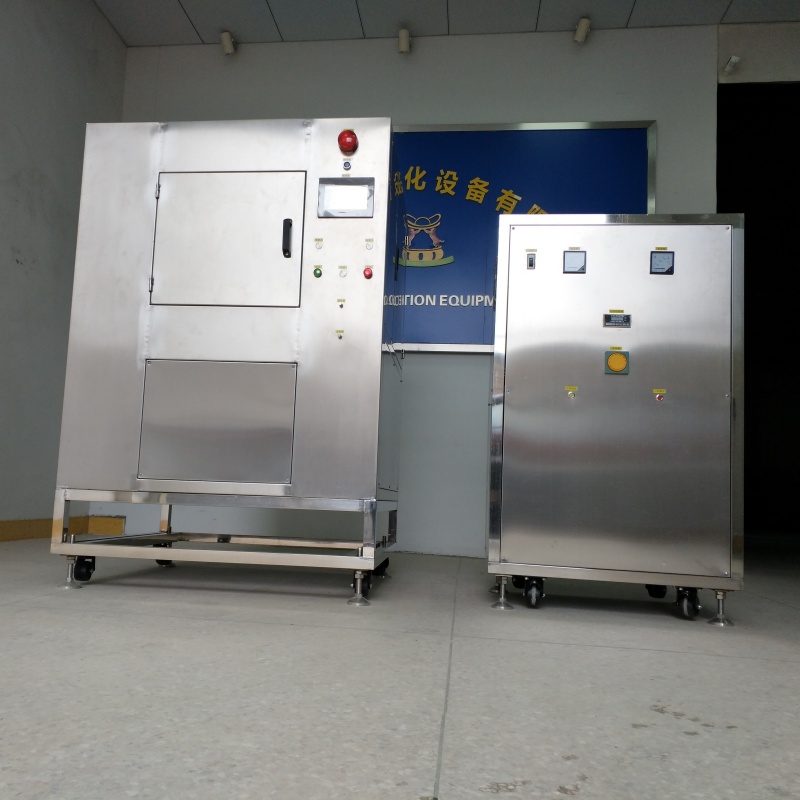
Plasma polishing machines calculate electrical current based on the total exposed surface area of the workpiece. If the surface area increases, the required current increases accordingly. For example, a machine with a processing tank of approximately one square meter and a current capacity of 1,000 amps can handle a wide range of part sizes by adjusting power output.
5. Power, Current, and Equipment Capacity Explained
Plasma polishing machines are designed to scale with current demand. When polishing large workpieces, higher current is required—not because of weight, but because of increased surface exposure. This scalability allows manufacturers to customize machines for different industries and production volumes.
A professional polishing machine manufacturer will evaluate your part dimensions, surface area, and production needs before recommending an appropriate system configuration.
6. Does Workpiece Weight Affect Plasma Polishing Performance?
In most cases, workpiece weight has minimal impact on plasma polishing performance. Standard machines can easily handle parts weighing 20–30 kilograms. For heavier components, customized hanging fixtures and reinforced racks are used to ensure stability and safety during processing.
7. Industries That Benefit Most from Plasma Polishing Machines
Plasma polishing machines are widely used in industries such as:
● Medical devices and implants
● Aerospace and aviation components
● Jewelry and luxury hardware
● Automotive precision parts
● High-end stainless steel and alloy manufacturing
8. Choosing the Right Plasma Polishing Machine Manufacturer
When selecting a polishing machine manufacturer, consider technical expertise, customization capability, after-sales support, and real application experience. A reliable manufacturer should provide process testing, system customization, and long-term technical support.
9. Plasma Polishing Machine Price: What Influences the Cost?
Polishing machine price depends on current capacity, tank size, automation level, and customization requirements. While initial investment may be higher than traditional machines, plasma polishing offers lower operating costs and higher long-term ROI.
10. Plasma Polishing vs Traditional Polishing Methods
Compared to traditional polishing, plasma polishing delivers better surface consistency, lower labor dependency, and higher efficiency—especially for complex parts.