

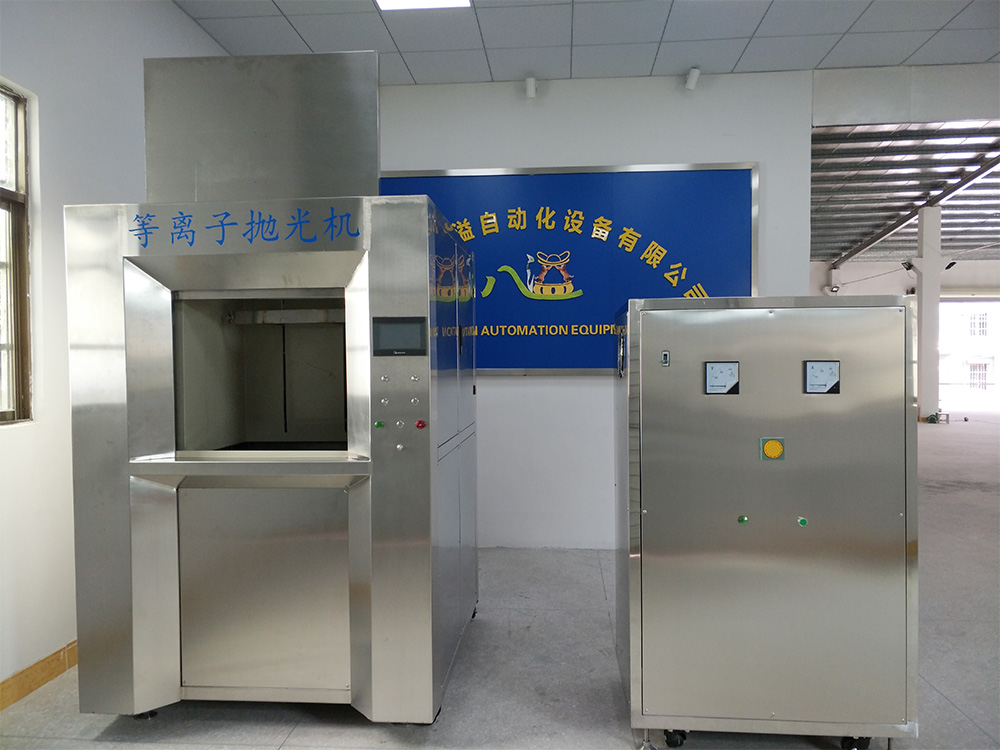
One of the biggest advantages of a Plasma Polishing Machine is its exceptionally long service life—often exceeding 10 years even under continuous industrial operation. This longevity is not accidental; it comes from the machine’s engineering design, stable plasma generation system, and minimal mechanical wear compared to traditional polishing equipment. Here are the key reasons why a plasma polishing machine is known for outstanding durability:
1. Non-Contact Polishing Means Almost Zero Mechanical Wear
Traditional polishing machines rely on friction, grinding pads, abrasive wheels, or tumbling media—all of which wear out quickly.
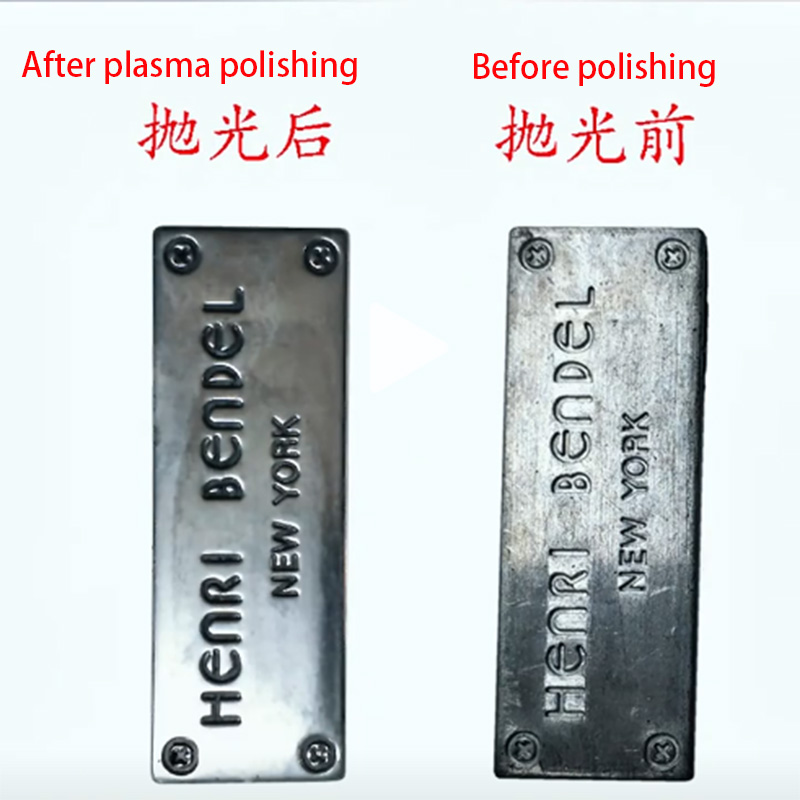
Plasma polishing, however, uses ionized gas to smooth and brighten metal surfaces without direct mechanical contact.
This non-contact mechanism results in:
● No tool wear
● No abrasive consumption
● No friction-related damage
● Significantly lower long-term maintenance
Because there are no consumable polishing tools to replace, the machine structure naturally lasts much longer.
2. High-Stability Plasma Power Supply Designed for Industrial Use
The core of the machine—the plasma power module—is engineered for long-term continuous operation.
Industrial-grade components ensure:
● Consistent ion discharge
● Stable plasma density
● Overload and overheat protection
● Long-cycle durability
This is why the machine can run daily without performance degradation.
3. Durable Chamber Structure Resistant to Heat and Corrosion
The polishing chamber is built using materials specifically engineered to withstand:
● High temperatures
● Plasma bombardment
● Chemical reactions
● Oxidation
Even after years of use, the chamber maintains structural integrity and polishing consistency.
4. Simplified Internal Design Minimizes Failure Points
Because the machine does not rely on:
● High-speed motors
● Rotating discs
● Polishing belts
● Abrasive wheels
It avoids many of the failure points that shorten the lifespan of traditional polishing equipment.
Fewer moving parts = fewer breakdowns = longer operational life.
5. Low Maintenance Requirements and Easy Component Replacement
Most plasma polishing machines require only basic maintenance such as:
● Checking seals
● Cleaning the chamber
● Replacing filters periodically
These simple procedures keep the machine in optimal condition, allowing it to operate reliably for a decade or more.
5. Stable Performance Even Under Heavy Workloads
Whether processing 30–50 pieces per batch, running multiple cycles a day, or handling complex and irregular components, the machine maintains consistent output without decline.
This heavy-duty stability directly contributes to its long service life.
6. Stable Performance Even Under Heavy Workloads
Whether processing 30–50 pieces per batch, running multiple cycles a day, or handling complex and irregular components, the machine maintains consistent output without decline.
This heavy-duty stability directly contributes to its long service life.
7. Designed for Long-Term Industrial Productivity
Manufacturers build plasma polishing machines with long operating lifespans because they are primarily used in industries requiring:
● High precision
● Continuous production
● Repeatable quality
● Minimal downtime
This makes durability a core part of the machine's engineering philosophy.
Conclusion of This Chapter
A plasma polishing machine is fundamentally different from traditional polishing systems.
Its non-contact process, robust build, and simplified internal structure allow it to operate reliably for 10 years or longer, making it one of the most cost-effective investments in modern metal finishing.
FAQ
1. What materials can a plasma polishing machine process?
Stainless steel, copper, brass, zinc alloy, precision components.
2. Does it damage the surface?
No, plasma polishing is non-contact and non-destructive.
3. How much does a plasma polishing machine cost?
Depends on size, capacity, and automation level.
4. How many pieces per batch?
Typically 30–50 pieces.
5. Is plasma harmful to humans?
No. Plasma appears only inside the electrolyte environment during operation.
6. Can I test samples?
Yes, reliable suppliers offer free sample testing.
7. Is it suitable for irregular shapes?
Yes, it is ideal for complex geometries.