

1. Introduction: The Rise of the Plasma Polishing Machine
In modern manufacturing, the demand for flawless, mirror-grade metal surfaces is rapidly increasing. Traditional hand polishing or chemical polishing can no longer meet the high standards required for precision components. As a result, the Plasma Polishing Machine has become widely recognized as the best polishing machine for high-end hardware, electronics, automotive components, and precision metal parts. With a long lifespan of over 10 years and the ability to process 30–50 pieces at once without scratching or deforming the surface, it is now considered the most reliable professional polishing machine in the industry.
2. Inside the Science of Plasma Polishing Machines
A plasma polishing machine is a surface polishing machine that uses ionized gas to remove micro-burrs and imperfections from metal surfaces. Unlike grinding or chemical etching, plasma polishing relies on a stable electrical field and electrolyte environment to generate high-energy plasma. This plasma interacts with the metal surface at a microscopic level, creating a clean, smooth, and highly reflective finish without damaging the base material.
3. How Ion Energy Works to Polish Metals Without Contact
Plasma polishing technology involves four primary steps:
1. Electrolyte activation – The workpieces are immersed in a special electrolyte.
2. Plasma generation – A strong electrical field is applied, converting the electrolyte around the metal surface into plasma.
3. Ion reaction – Charged ions remove microscopic peaks, burrs, and oxidation layers.
4. Mirror finish formation – The metal surface becomes flat and reflective without mechanical abrasion.
This non-contact polishing method ensures perfect consistency and prevents scratches even during batch processing.
4. Why Plasma Polishing Is the Best Polishing Machine for Metal Finishing
Plasma polishing outperforms traditional polishing methods in nearly every aspect, making it the best polishing machine for industrial use.
4.1 Zero Surface Damage
Plasma polishing removes material uniformly at a microscopic level, preventing deformation or edge rounding.
4.2 True Mirror-Polish Quality
It produces a perfect mirror finish without buffing pads, grinding wheels, or abrasives.
4.3 Ideal for Complex and Irregular Shapes
Even small holes, curved surfaces, and intricate geometries can be polished evenly.
4.4 High Efficiency: 30–50 Pieces Per Cycle
Batch processing dramatically reduces labor cost and increases production speed.
4.5 10+ Years Lifespan
A well-built plasma polishing machine can operate for over a decade with minimal maintenance.


5. Plasma Polishing vs Traditional Polishing Machines
Compared to mechanical, chemical, and manual polishing, plasma polishing offers unmatched advantages:
| Method | Surface Damage | Consistency | Labor Cost | Quality |
|---|---|---|---|---|
| Manual Polishing | High | Low | High | Depends on worker |
| Chemical Polishing | Medium | Medium | Medium | Risk of corrosion |
| Mechanical Polishing | Medium | Medium | Medium | May cause scratches |
| Plasma Polishing | Zero | Perfect | Very Low | Mirror Finish |
6. Applications of Plasma Polishing Machines
Plasma polishing machines are used in multiple industries that require high-quality finishes:
6.1 Stainless Steel Parts
For decorative or functional components.
6.2 Brass & Copper Hardware
Helps remove oxidation and brighten the surface.
6.3 Precision Connectors
Ensures smooth contact surfaces.
6.4 Irregular Metal Components
Perfect for shapes that are difficult to polish mechanically.
6.5 High-end Decorative Metal Parts
Used in luxury goods, electronics, consumer devices, etc.
7. Key Features of a Professional Polishing Machine
A high-quality professional polishing machine should offer:
7.1 Safety Design
No harmful gases; safe for long-term use.
7.2 High Automation
Reduces manual labor and human error.
7.3 Surface Consistency
Perfect repeatability across batches.
7.4 Stability & Durability
Long running life with minimal maintenance.
7.5 Eco-Friendly Technology
No dust, no abrasive waste, low pollution.
8. Choosing the Best Polishing Machine: What Buyers Should Look For
When selecting the best polishing machine, pay attention to the following:
8.1 Production Capacity
Can the machine support batch processing?
8.2 Material Type
Match the machine to stainless steel, brass, zinc alloy, etc.
8.3 Automation Level
Higher automation = lower labor cost.
8.4 Surface Quality Requirements
Mirror finish? Deburring only? Brightening?
8.5 Polishing Machine Price Comparison
Understand price differences between small units and industrial-grade equipment.
8.6 After-sales Service
Training, technical support, troubleshooting.
8.7 Sample Testing
Reliable suppliers offer test polishing before purchase.
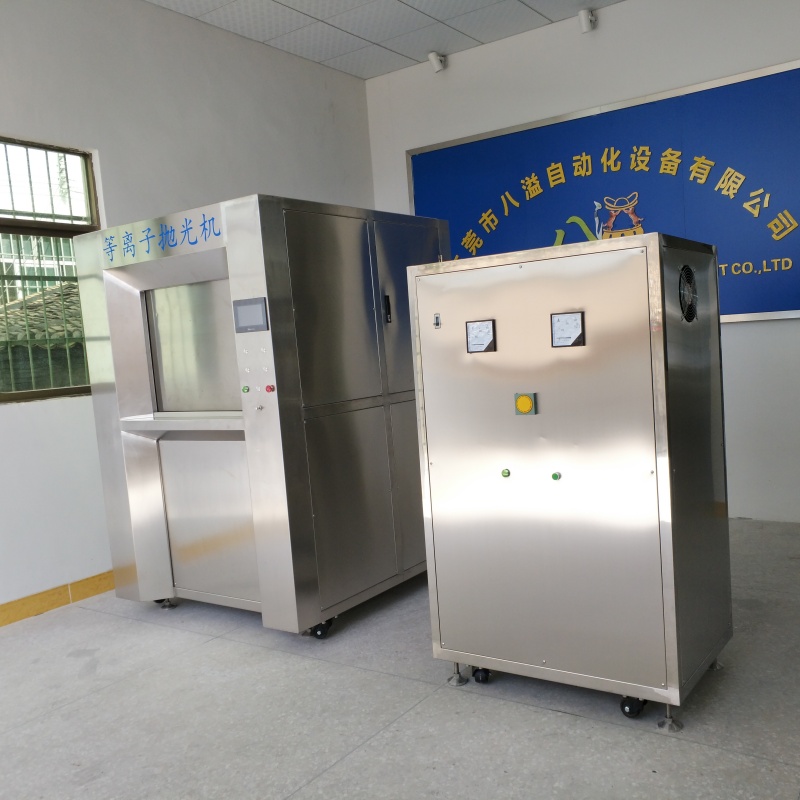
9. Plasma Polishing Machine for Sale: What Manufacturers Offer
A trustworthy supplier offering a plasma polishing machine for sale should provide:
✔ Complete machine with control system
✔ Electrolyte and fixtures
✔ Free sample testing
✔ Operation training
✔ Long-term technical support
✔ Spare parts supply
10. Case Study: Batch Processing Without Scratches
Using plasma polishing, a hardware manufacturer can place 30–50 pieces into the fixture at one time. Since each part is fixed securely, they do not collide, ensuring zero scratches and consistent high-gloss finish. This dramatically improves production efficiency and product quality.
11. Conclusion: Plasma Polishing Will Replace Traditional Methods
As industries continue to raise their quality standards, plasma polishing is quickly becoming the most trusted and advanced solution for metal surface finishing. Its efficiency, consistency, and long-term reliability make it the future of precision surface treatment.