

Why aluminium deburring is different
Aluminium behaves differently from steels and other metals during cutting and forming. Its low melting point, tendency to smear, and light weight make traditional mechanical deburring methods (files, brushes, tumblers, or abrasive wheels) less predictable:
-
Mechanical methods can distort thin walls or change critical dimensions.
-
Manual deburring is inconsistent, slow, and labor-intensive.
-
Abrasive processes may generate heat, residue, or surface scratches that require rework.
A purpose-built deburring machine for aluminum must remove burrs cleanly while preserving surface integrity and dimensional accuracy. Plasma deburring meets that requirement.
What is plasma deburring — and why it works for aluminum
Plasma deburring uses a focused ionized gas (plasma) stream to thermally and chemically remove burr material. For aluminium parts this has three decisive advantages:
-
Non-contact precision — The plasma jet removes burrs without physical force, eliminating mechanical stress and the risk of deformation on thin or delicate aluminium features.
-
Selective removal — Parameters (power, gas flow, scanning speed) are tuned to remove burrs and not base material, preserving tolerances.
-
Clean finish — Plasma interaction volatilizes or oxidizes burrs into fine residues that are easy to extract, leaving smooth edges and minimal secondary cleaning.
Because of these properties, an aluminium deburring machine based on plasma gives higher yields, faster cycle times, and more predictable results than many conventional solutions.
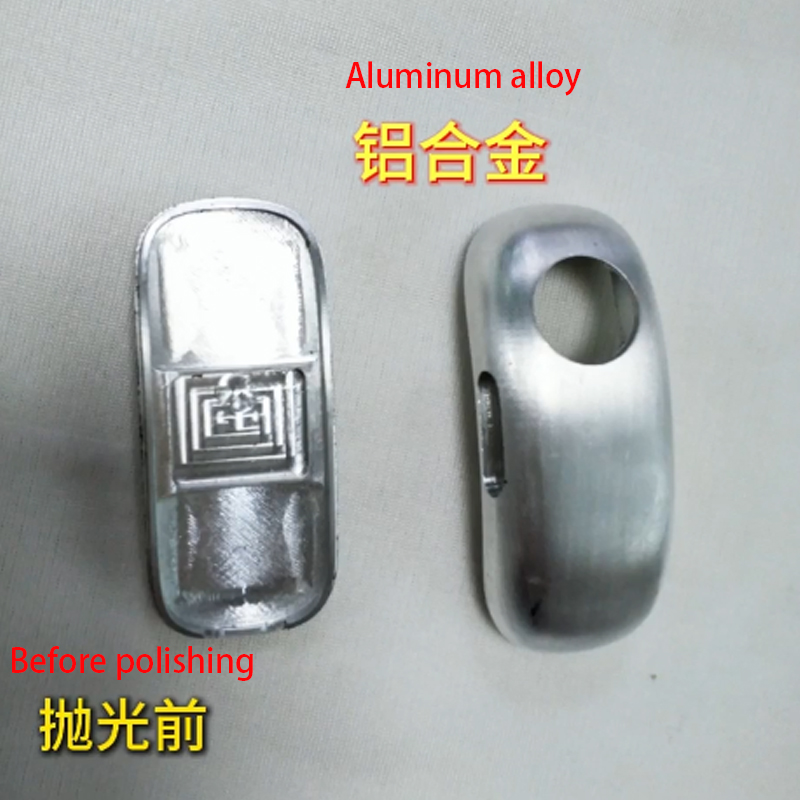
Key benefits of a Bayi plasma Aluminum Deburring Machine
Bayi’s aluminium deburring line focuses on industrial reliability and process control. The benefits manufacturers see include:
-
High throughput: Continuous or batch processing modes reduce per-part deburring time compared with manual methods.
-
Consistent quality: PLC-driven routines and programmable recipes ensure repeatable results across runs.
-
Minimal material loss: Precise plasma control prevents over-cutting and preserves part geometry.
-
Reduced secondary operations: Smooth edges and clean parts often remove the need for polishing or rework.
-
Lower labor costs & safety: Automation reduces manual handling and exposure to sharp edges.
-
Environmentally friendlier: Modern plasma systems avoid large volumes of abrasive dust and reduce consumable use compared to tumblers and belts.
Typical applications for deburring aluminium with plasma
Plasma-based deburring is particularly effective for:
-
Thin-walled components and housings (electronics, lighting).
-
Aerospace brackets and fuel system components requiring precise edge conditions.
-
Automotive castings and extrusions where burrs affect assembly.
-
Precision machined parts for medical devices, where cleanliness and dimensional control matter.
Wherever burrs compromise assembly, sealing, or fatigue life, a deburring machine for aluminum adds strong value.
How Bayi’s aluminium deburring machine works (process overview)
A typical Bayi plasma system integrates these elements:
-
Part loading & fixturing — Fixtures or rotary tables present the part reproducibly to the plasma head.
-
Programmed scan path — CNC/PLC controls move the plasma jet along edges and holes where burrs form.
-
Plasma treatment — Precisely tuned plasma parameters remove burrs while avoiding base material damage.
-
Extraction & filtration — Extraction captures residues; filtration systems maintain shop air quality.
-
Quality check — Vision or manual inspection verifies edge quality and triggers adjustments if needed.
The system is configurable for one-off prototypes, medium-volume runs, or continuous production lines.
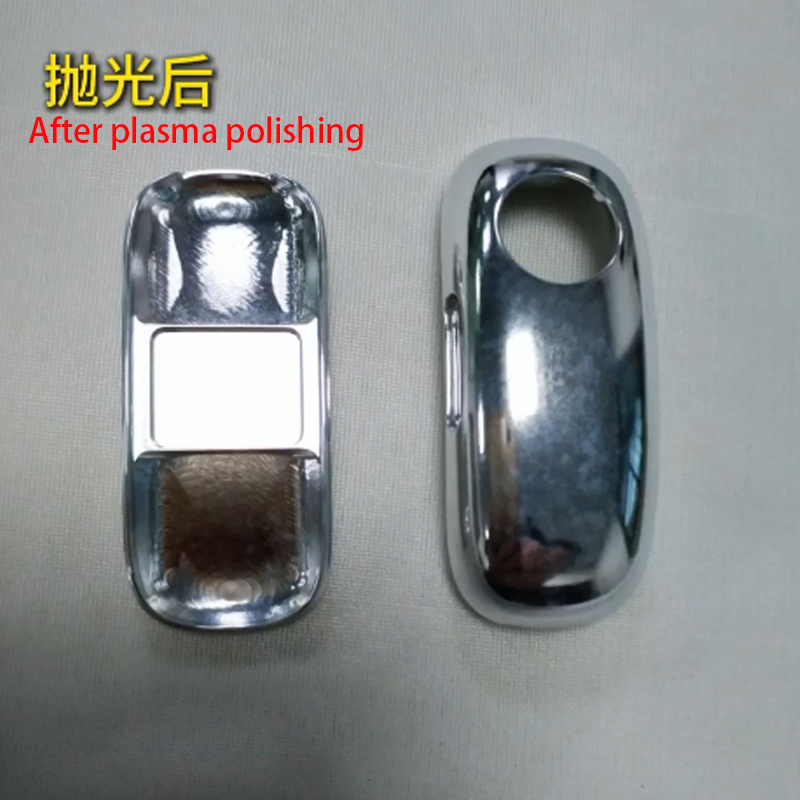
Practical considerations when choosing a deburring aluminium solution
When evaluating aluminum deburring equipment, consider:
-
Part geometry — Complex internal features may require multi-axis heads or custom fixtures.
-
Throughput needs — Match cycle time to production volumes; some plasma systems are optimized for high-mix/low-volume, others for mass production.
-
Integration — Can the system be placed inline with machining centers or existing conveyors?
-
Process control — Look for programmable recipes, data logging, and easy recipe recall.
-
Safety & compliance — Proper shielding, interlocks, and extraction systems are mandatory.
Bayi advantage: engineered for aluminum
Bayi focuses on machines engineered specifically for aluminium challenges: robust control electronics, flexible fixturing, and process recipes proven on aluminium alloys. Our clients benefit from rapid commissioning, training, and support to reach stable production quickly.
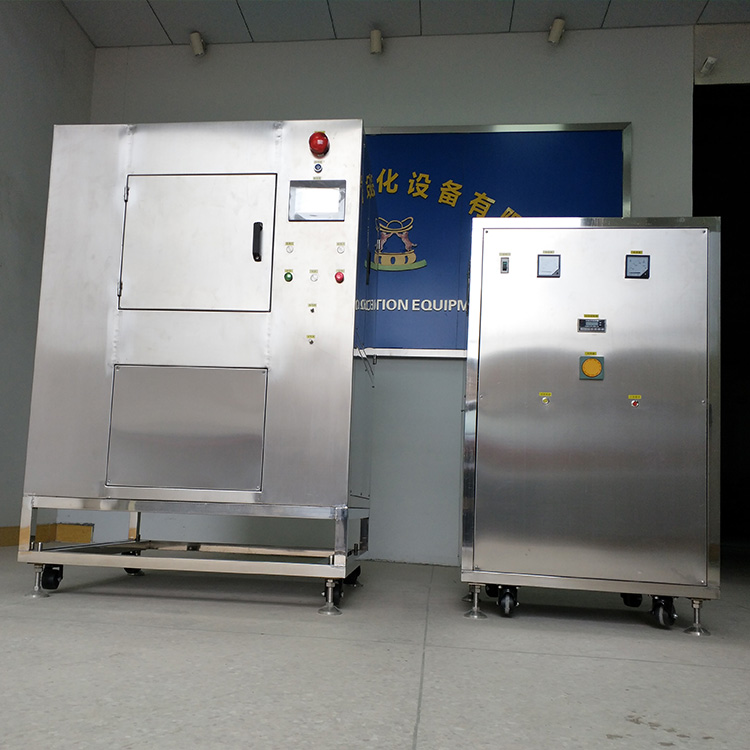
Conclusion — flawless aluminum, consistently
For manufacturers demanding predictable, high-quality edges on aluminium components, a plasma-based Aluminum Deburring Machine from Bayi represents a transformative upgrade. It combines speed, precision, and low footprint with reproducible results — helping you cut costs, reduce rework, and deliver parts that fit, perform, and last.
Ready to see how plasma deburring can improve your aluminium parts? Contact Bayi for a process evaluation and sample trial to compare deburring aluminium with your current method.
FAQ — Quick answers
Q: Is plasma deburring suitable for very small or micro parts?
A: Yes — with precision fixturing and micro plasma nozzles, plasma deburring can address tiny burrs without harming the part.
Q: Will plasma change the surface finish or material properties?
A: Properly controlled plasma removes burrs with minimal thermal effect on surrounding material. Any oxide layer formed is thin and typically acceptable or easily removed.
Q: How does plasma compare to electrolytic deburring for aluminium?
A: Electrolytic deburring is effective but requires wet chemistry, fixtures, and post-cleaning. Plasma is dry, faster for many applications, and easier to integrate into automated lines.