

Choosing the right silver polishing machine can make the difference between a dull finish and showroom-quality brilliance — especially if you produce jewelry, cutlery, or decorative silver parts at scale. As BaYi, a Chinese manufacturer of plasma polishing machines, we specialize in plasma-based deburring and polishing systems (our titanium polishing machines use this same plasma process).
Why polishing method matters for silver
Silver is soft and ductile, so aggressive mechanical polishing can remove too much material or leave scratches. Plasma polishing — a non-contact, high-precision process — delivers uniform surface finishing and can remove burrs without mechanical abrasion. When comparing silver polishing equipment, consider both surface quality (mirror finish vs. satin) and process control (repeatability, cycle time, polish consistency).
Types of silver polishing machines (and when to use them)
• Mechanical rotary/buffing polishers: Good for small workshops and artisanal pieces. Lower initial cost but higher labor and consumable use.
• Vibratory and tumbling machines: Great for batch deburring of many small parts. Limited control for high-gloss jewelry finishes.
• Electrochemical polishers: Effective for fine finishing and passivation but require chemical handling and disposal.
• Plasma polishing machines (recommended for consistent high-quality finish): Non-contact, low-wear, excellent for delicate jewelry and precision silver parts. Our plasma-based systems are designed for deburring and polishing silver with minimal material loss.
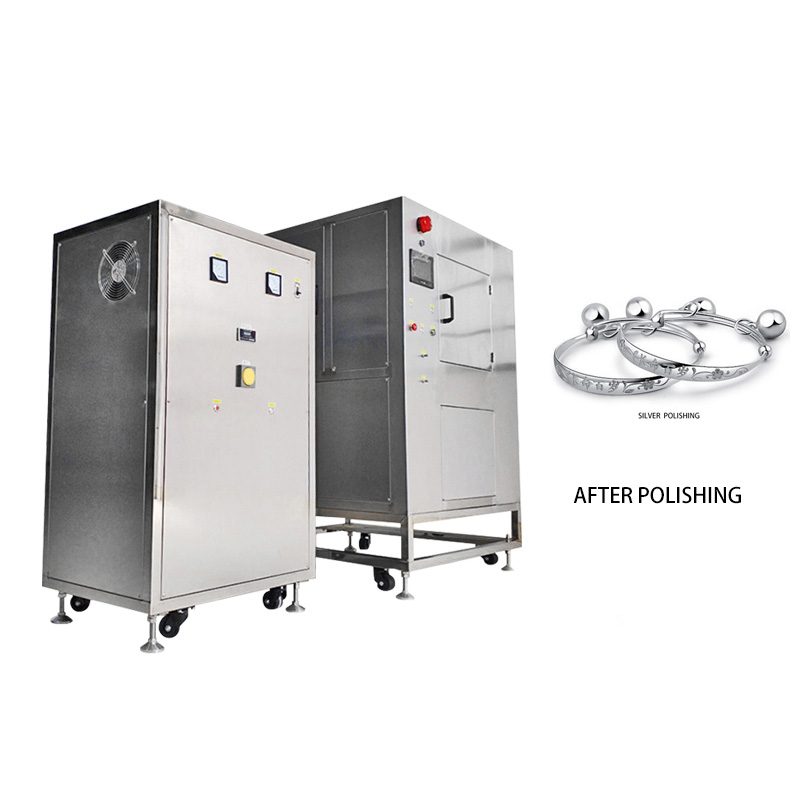
Key factors when choosing the best silver polish machine
1. Desired finish and repeatability
Decide whether you need a mirror-like finish for best silver polish for jewelry or a textured finish for decorative items. Plasma polishing delivers repeatable, uniform mirror finishes — ideal for jewelry makers seeking consistent quality.
2. Throughput and production scale
Estimate parts per hour/day. High-volume operations benefit from automated or multi-station silver polishing equipment. For low-volume bespoke jewelry, a smaller unit or batch process may suffice.
3. Material removal control
Silver is soft — choose equipment with fine process control to avoid over-polishing. Plasma polishing provides adjustable energy settings and precise deburring without mechanical abrasion.
4. Operating cost and consumables
Ask for an itemized silver polish machine price breakdown: machine, tooling, consumables, energy use, and maintenance. Machines with fewer consumables (like plasma systems) often have lower lifetime operating costs despite higher capital cost.
5. Footprint and integration
Consider available floor space and whether the machine must integrate with existing lines. Some plasma polishing machines are compact and can be integrated into automated production cells.
6. Safety and environmental impact
Electrochemical and abrasive methods generate waste. Plasma polishing is a cleaner option with minimal chemical disposal requirements and lower dust generation.
7. Supplier support & warranty
Look for strong after-sales service: training, spare parts, remote troubleshooting, and warranty. For exporters and foreign-trade buyers, choose a supplier experienced with international shipping and documentation.
Typical cost range — what affects the silver polish machine price
• Machine technology (mechanical vs. plasma vs. electrochemical)
• Automation level (manual, semi-automatic, fully automatic)
• Capacity (single-piece vs. multi-station)
• Controls and software (process recipes, PLC/HMI)
• Local taxes, shipping, and installation
A compact manual polisher will have a much lower silver polish machine price than a fully automated plasma polishing cell. When comparing prices, evaluate total cost of ownership: consumables, energy, maintenance, and scrap rates.
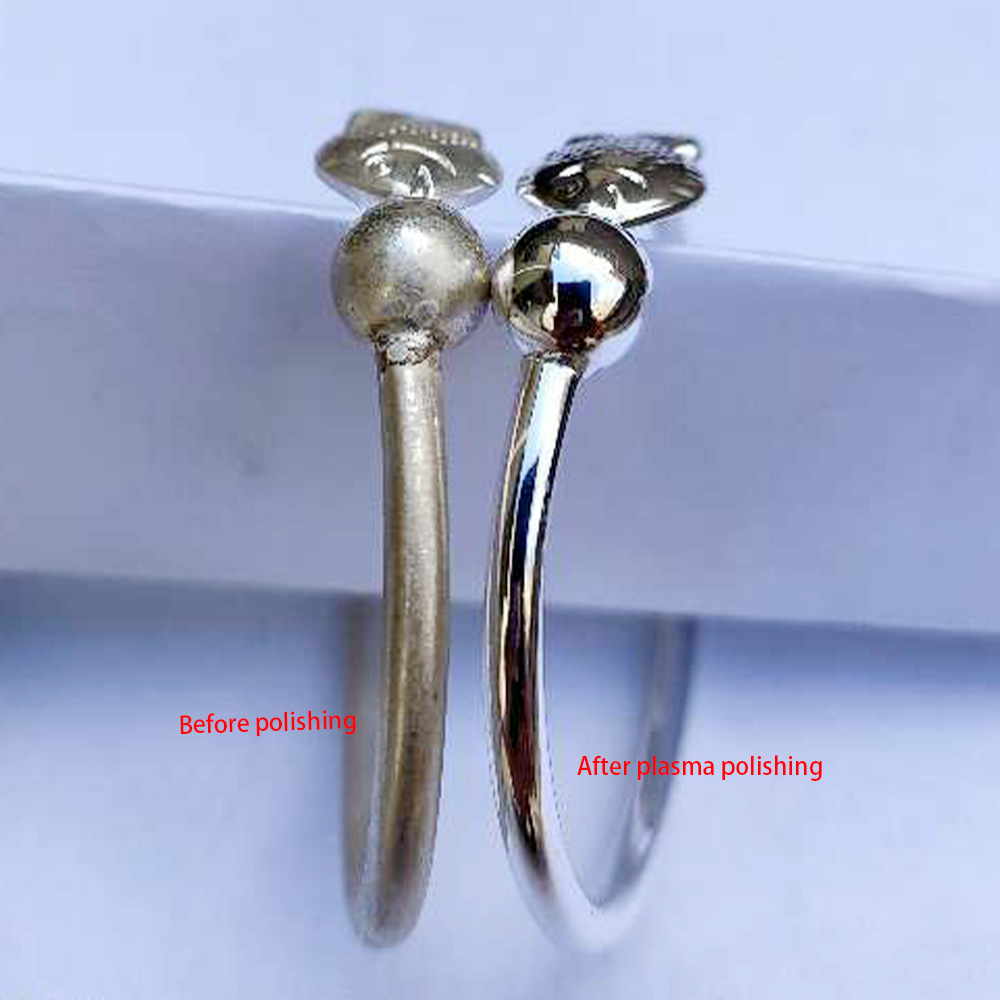
Why choose plasma polishing from BaYi for silver?
Non-contact, high-precision finishing — preserves delicate features on silver jewelry.
Consistent, repeatable results — ideal for professional silver polishing where consistency matters.
Lower consumable costs — fewer abrasives and polishing compounds.
Cleaner process — reduced waste compared to chemical polishing.
Tailored solutions — BaYi offers machines sized for jewelers, small manufacturers, and high-volume producers.
FAQs
Q: What is the best silver polish for jewelry production?
A: For production, plasma polishing often delivers the best balance of mirror finish, minimal material loss, and repeatability — ideal for professional silver polishing.
Q: How much does a silver polish machine cost?
A: Prices vary widely. Ask suppliers for a full breakdown of silver polish machine price and total cost of ownership. Plasma systems may cost more initially but save on consumables and labor.
Q: Can silver be plasma polished without damage?
A: Yes — plasma polishing is non-contact and can precisely remove burrs and produce a high-gloss finish without mechanical scratches.