

Introduction — The Hidden Cost of Traditional Deburring
Manufacturers face a persistent challenge: removing burrs and polishing complex metal parts efficiently while maintaining quality. Traditional methods — manual filing, abrasive tumbling, chemical baths — may seem cheaper upfront but often come with hidden costs:
-
Long labor hours
-
High scrap and rework rates
-
Environmental compliance costs due to chemicals and dust
-
Limited repeatability on complex geometries
Enter plasma deburring. By using a high-energy ion stream, modern plasma deburring machines achieve precision burr removal, polish complex geometries, and create protective oxide layers — all with significantly reduced labor and environmental impact.
How Plasma Deburring Works
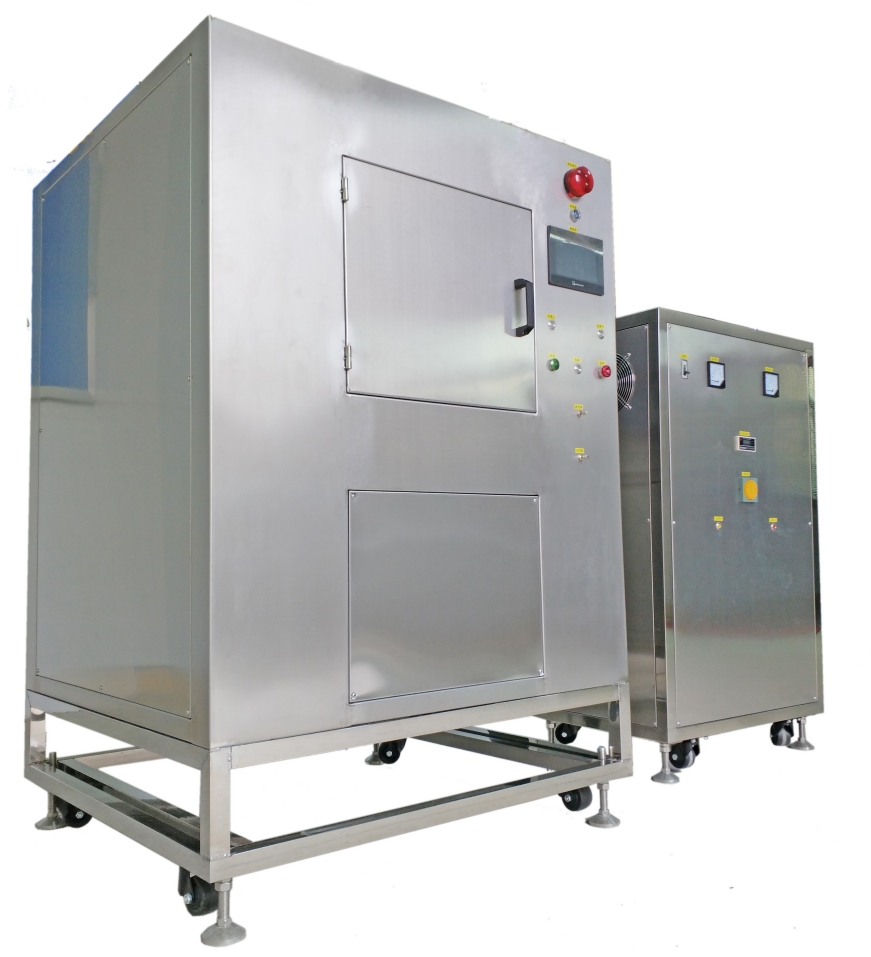
A plasma deburring machine uses an ionized gas flow to remove burrs without direct contact. Key advantages include:
-
360° no-dead-angle coverage: Ion flow reaches every cavity and undercut, making it ideal for intricate stainless steel, aluminum, and copper parts.
-
High-quality surface finish: The process smooths surfaces while generating a protective oxide layer, improving corrosion and wear resistance.
-
Clean, dust-free operation: Workshops instantly transform into near-lab conditions, thanks to minimal particulate generation.
Modern machines feature touchscreen interfaces comparable to smartphones, making operation intuitive even for first-time users.

Key Features Enhancing Efficiency and Safety
When evaluating plasma deburring machines, pay attention to these critical points:
-
Dual current-limiting alarm: Protects both the equipment and workpieces in case of abnormal operation.
-
Smooth anode switching: Ensures efficiency and consistent quality when processing multiple materials.
-
Automatic overflow prevention: Prevents polishing fluid spillage, improving safety and cleanliness.
These features differentiate professional-grade machines from basic models and directly impact throughput, quality, and operator convenience.
Comparing Costs: Plasma vs Traditional Methods
| Factor | Traditional Deburring | Plasma Deburring Machine |
|---|---|---|
| Labor | High, often requires multiple operators | Low, one operator can manage multiple machines |
| Cycle Time | Hours to half-day per complex part | Minutes per part |
| Rework/Scrap | High due to inconsistent results | Low due to precision ion flow |
| Surface Finish | Variable, often requires secondary polishing | Consistent, 360° coverage, oxide layer formation |
| Environmental Impact | High, chemical disposal & dust | Low, dust-free, minimal chemicals |
| Total Cost of Ownership | Can exceed equipment cost | Often lower due to reduced labor, scrap, and rework |
As the table shows, while deburring machine price may seem higher than a basic traditional setup, the total cost savings from labor reduction, scrap minimization, and faster throughput often justify the investment.
Material-Specific Plasma Solutions
Plasma deburring machines are available in models optimized for different metals:
-
Stainless steel deburring machine: Handles hard burrs efficiently while generating protective oxide layers.
-
Aluminum deburring machine: Gentle pulses prevent pitting and maintain smooth finishes.
-
Copper deburring machine: Maintains conductivity and removes burrs without excessive oxidation.
Choosing a reputable deburring machine factory ensures the machine is calibrated for your specific alloys and part geometries.
Additional Considerations When Purchasing
Before purchasing a plasma deburring machine, consider:
-
Workflow integration: Can the machine fit inline with existing production lines?
-
Automation capability: Does it support recipe storage, PLC control, or robotic integration?
-
After-sales service: Availability of training, spare parts, and technical support from the deburring machine factory.
A proper evaluation ensures the deburring machine price aligns with long-term efficiency and ROI.
Conclusion — Investing in Efficiency
Switching from traditional deburring to a plasma deburring machine improves manufacturing efficiency, reduces labor and scrap, and ensures high-quality, repeatable finishes. By focusing on safety features, user-friendly controls, and 360° ion-flow polishing, manufacturers can achieve faster throughput, lower costs, and cleaner, safer workshops.
If you’re ready to enhance your production process, consult a trusted deburring machine factory for sample tests, technical validation, and a personalized quote. The right plasma deburring machine turns time-consuming polishing into a matter of minutes.