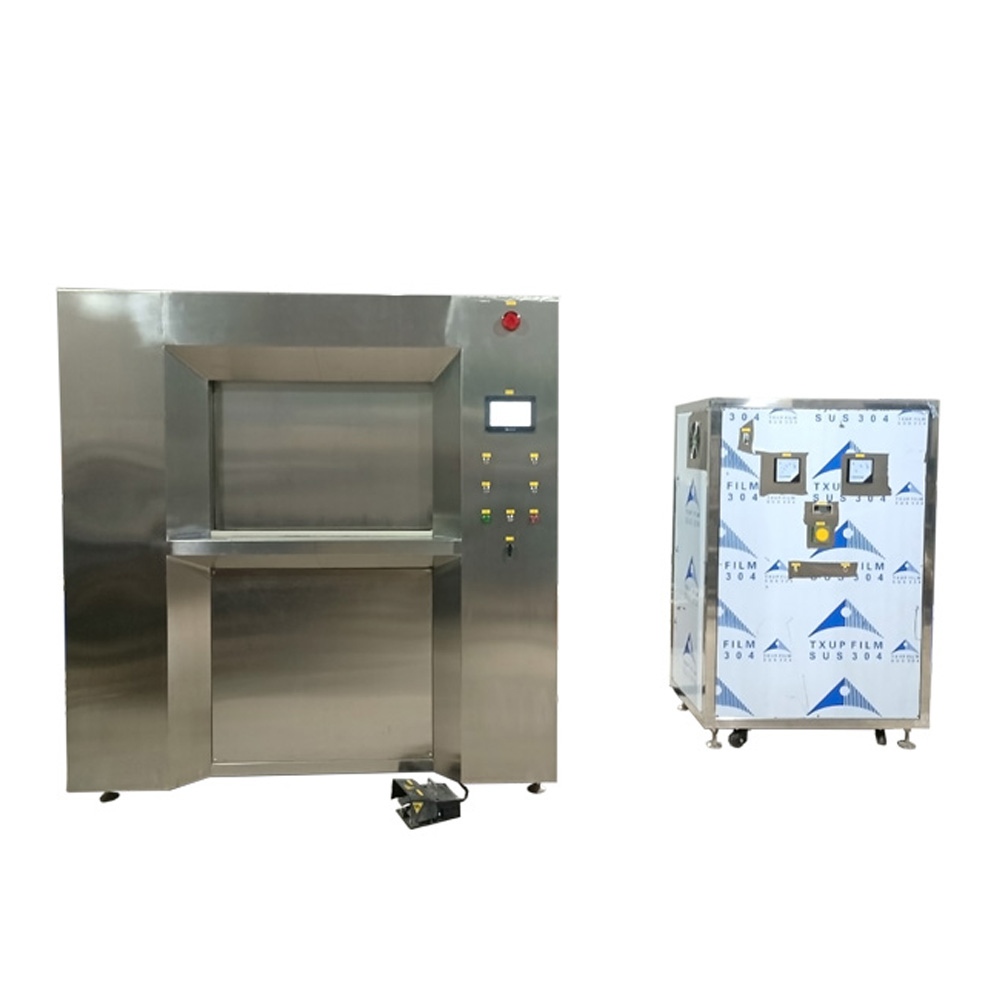
When evaluating surface finishing techniques, it’s important to compare plasma polishing with traditional methods like mechanical and chemical polishing. Each has its strengths, but plasma polishing stands out for its efficiency and sustainability.
1. Plasma Polishing vs. Mechanical Polishing
Mechanical polishing relies on abrasives to physically grind down the surface. While it can produce a smooth finish, it often leaves micro-scratches and is labor-intensive.
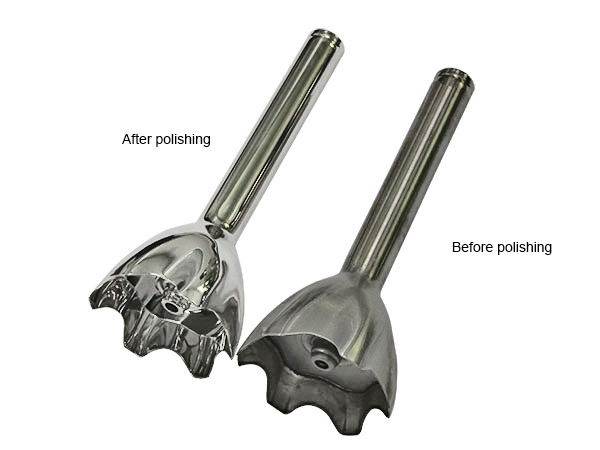
Plasma polishing uses plasma discharge to dissolve microscopic surface peaks evenly, achieving a flawless, mirror-like finish without abrasives or mechanical stress.
Plasma polishing is also more suitable for complex geometries, where mechanical polishing may not reach.
2. Plasma Polishing vs. Chemical Polishing
Chemical polishing uses strong acids or chemical baths to remove surface irregularities. While effective, it poses serious environmental and safety risks due to hazardous waste.
Plasma polishing achieves similar or better results using eco-friendly electrolytes, making it a safer, greener alternative.
Plasma polishing also provides better control, ensuring consistent quality across all parts.
3. Cost, Efficiency, and Environmental Impact
Plasma polishing generally requires higher initial investment in equipment, but it saves money long-term through reduced labor, faster processing, and lower chemical waste disposal costs.
From an environmental standpoint, plasma polishing is clearly superior, supporting industries that must comply with strict sustainability and safety standards.
In conclusion, while traditional polishing methods still have their place, plasma polishing machines deliver the best balance of quality, efficiency, and environmental responsibility, making them the future of surface finishing.
Choosing the Right Plasma Polishing Machine
Selecting the right plasma polishing machine is crucial for achieving the best results, whether in medical manufacturing, aerospace, or luxury goods production. Different machines offer varying capacities, automation levels, and features, so understanding what to look for helps ensure long-term efficiency.
1. Key Factors to Consider
Size and Capacity: Choose a machine that matches the size of your parts and production volume. Small-scale models are ideal for laboratories, while large, industrial machines suit mass production.
Material Compatibility: Ensure the polishing machine can handle the specific metals you work with, such as stainless steel, titanium, copper,aluminum,and more.
Automation Level: Fully automated machines reduce labor requirements and ensure consistent quality, while semi-automated options may be more cost-effective for smaller operations.
Precision Control: Look for programmable settings to adjust voltage, time, and electrolyte flow, enabling flexibility for different applications.
2. Typical Machine Specifications
Modern plasma polishing machines often include:
Voltage ranges between 200–400V.
Electrolyte tanks of varying sizes (from a few liters to hundreds of liters).
Integrated cooling and rinsing systems.
Digital control panels with pre-set polishing programs.
3. Maintenance and Operating Costs
Plasma polishing machines are generally low-maintenance compared to mechanical systems.
Operating costs are reduced thanks to minimal labor requirements and eco-friendly electrolytes that don’t require costly hazardous waste disposal.
Regular cleaning of the electrolyte tank and replacement of consumables ensures long-term performance.
By considering these factors, manufacturers can select a plasma polishing machine that balances performance, cost, and scalability, ensuring it meets both current and future production needs.