

Metal polishing equipment refers to a class of machinery designed to enhance the surface finish of metal components by removing imperfections, oxidation, or burrs. This process not only improves the aesthetic appeal of metal but also contributes to its durability and performance in industrial applications.
These machines typically operate using abrasive materials such as polishing wheels, belts, or compounds to create a smooth or mirror-like finish on the metal surface. Depending on the scale and purpose, equipment ranges from manual bench-top units to fully automated CNC polishing systems.
The key components of a standard metal buffing machine include:
• Motor drive unit: Provides the required torque for rotation.
• Buffing wheels or discs: Made from various materials like cotton, sisal, or felt, suitable for different polishing stages.
• Adjustable speed control: Ensures compatibility with different metals and desired finish levels.
Whether you're polishing stainless steel kitchenware or aluminum automotive parts, metal surface polishing machines play a critical role in achieving consistent, high-quality surface finishes.
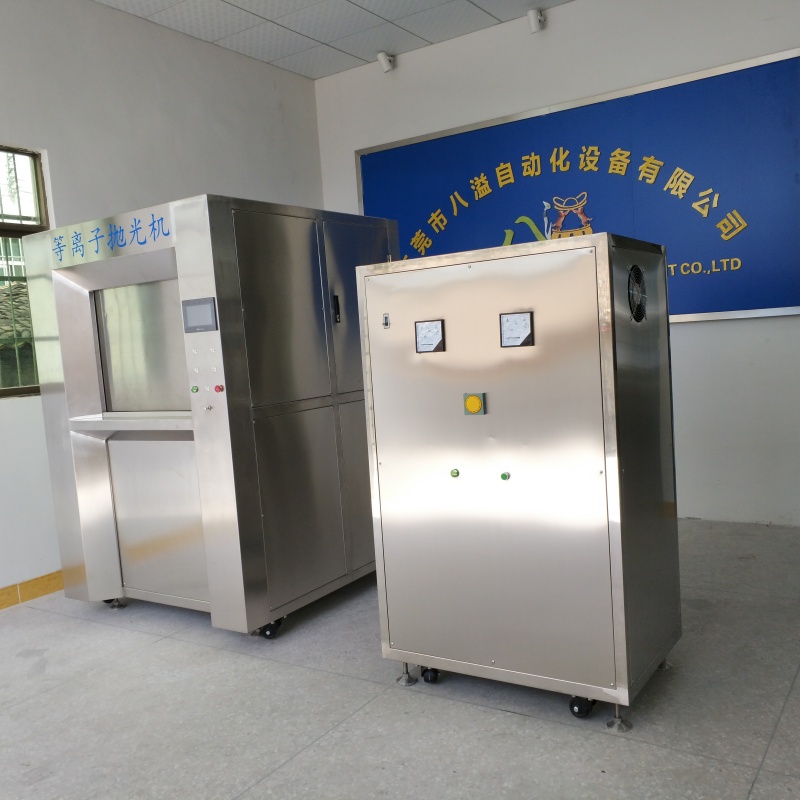
Types of Metal Polishing Equipment
Different polishing needs require different types of machines. Below is an overview of the most common types of metal polishing equipment, each designed for specific applications and levels of automation.
1. Manual Polishing Machines
Manual metal polishing machines are the simplest form of equipment. Operators hold and guide the workpiece manually against a rotating polishing wheel or belt.
➤ Key Features:
Compact and budget-friendly
Ideal for custom jobs, small-scale production, and repair work
Easy to operate with minimal training
➤ Use Cases:
Jewelry makers polishing silver and gold
Prototype manufacturers refining parts
Small workshops finishing stainless steel handles or brackets
➤ Pros:
Greater control over polishing precision
Lower initial investment cost
➤ Cons:
Labor-intensive and time-consuming
Less suitable for consistent results in large batches
2. Automatic Metal Buffing Machines
Automatic metal buffing machines are built for high-volume, continuous production. These machines use robotic arms or conveyor belts to automatically feed and polish workpieces.
➤ Key Features:
Multiple buffing stations for progressive polishing
Programmable settings for speed, pressure, and angles
Capable of handling large or heavy components
➤ Use Cases:
Automotive parts (rims, bumpers, engine covers)
Kitchen and cookware manufacturing
Industrial hardware production
➤ Advantages:
Increases productivity and consistency
Reduces human error
Lowers operational labor costs over time
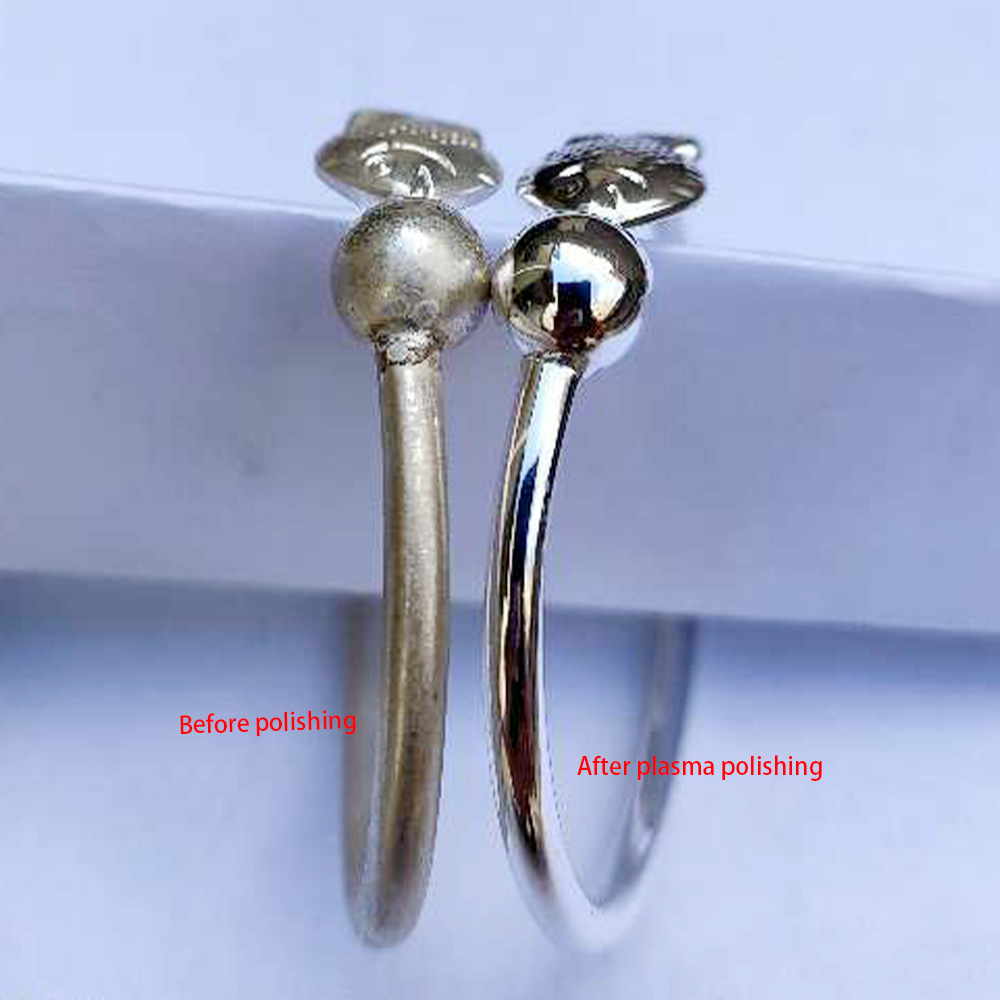
2.3 CNC & Robotic Metal Surface Polishing Machines
At the high end of the technology spectrum are CNC (Computer Numerical Control) and robotic polishing systems, often classified as advanced metal surface polishing machines.
➤ Key Features:
Precision-controlled robotic arms
Fully automated polishing paths and pressure adjustments
Real-time process monitoring
➤ Use Cases:
Aerospace components requiring tight tolerances
Electronics enclosures with strict surface requirements
Luxury goods with mirror-finish demands
➤ Advantages:
Extremely consistent results
Can handle complex geometries
Minimal operator involvement
In summary, whether your production needs are small and custom or large-scale and automated, there is a metal polishing equipment solution designed to meet your demands.
In summary, whether your production needs are small and custom or large-scale and automated, there is a metal polishing equipment solution designed to meet your demands.