

In the field of metal surface treatment, traditional methods such as mechanical polishing, electrolytic polishing, and chemical polishing have long dominated the market. However, as the manufacturing industry increasingly demands environmentally friendly, safe, and efficient technologies, plasma stainless steel polishing has emerged as an ideal alternative. This new green process is rapidly becoming the preferred solution for stainless steel finishing. This article analyzes its operational principles, efficiency calculation model, and practical advantages.
1. Working Principle and Polishing Method
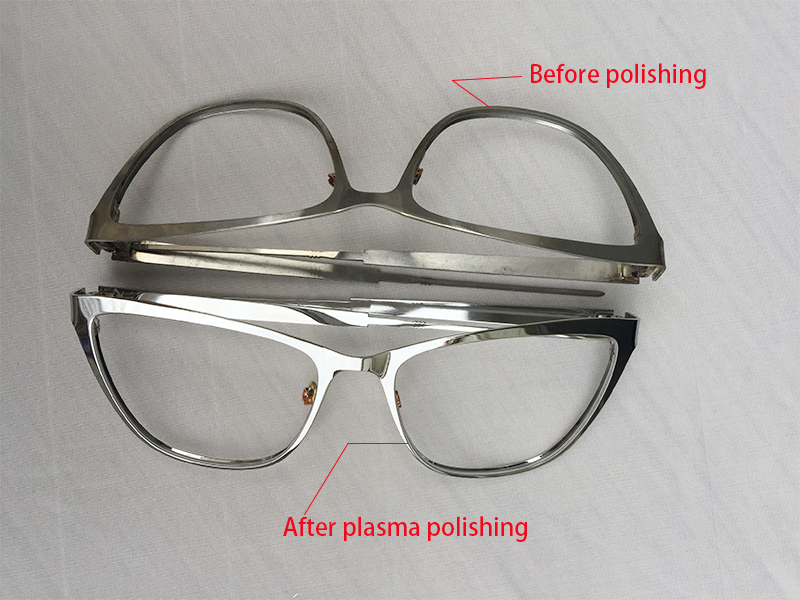
Plasma polishing is a non-contact polishing technology based on ionized plasma flow. It operates by applying high-frequency plasma to the surface of the metal, achieving micro-level material removal and surface smoothing. Unlike traditional methods, it does not generate mechanical stress or significant heat distortion. Plasma polishing effectively removes oxidation layers, fine scratches, and contaminants from stainless steel surfaces while preserving the geometry and dimensional accuracy of the original part. It is ideal for achieving high gloss and mirror-like finishes.
2. Key Factors Affecting Efficiency
Two core factors primarily determine the efficiency of plasma polishing for stainless steel:
• The power (current capacity) of the polishing equipment
• The surface area of the stainless steel workpieces
In actual production, the equipment's maximum output current is fixed. The amount of current required per individual stainless steel piece is directly proportional to its surface area. As such, the maximum number of parts that can be processed per cycle can be estimated using the following formula:
Max number of workpieces = Total equipment current ÷ Required current per piece
For example, if the equipment has a maximum current output of 600A and each stainless steel item requires 60A based on its surface area, then 10 pieces can be processed simultaneously. Combining this with the polishing cycle time (e.g., 3 minutes), the production capacity can be calculated as:
• Hourly output = (60 minutes ÷ cycle time) × number of workpieces per cycle
• Daily output = hourly output × number of working hours
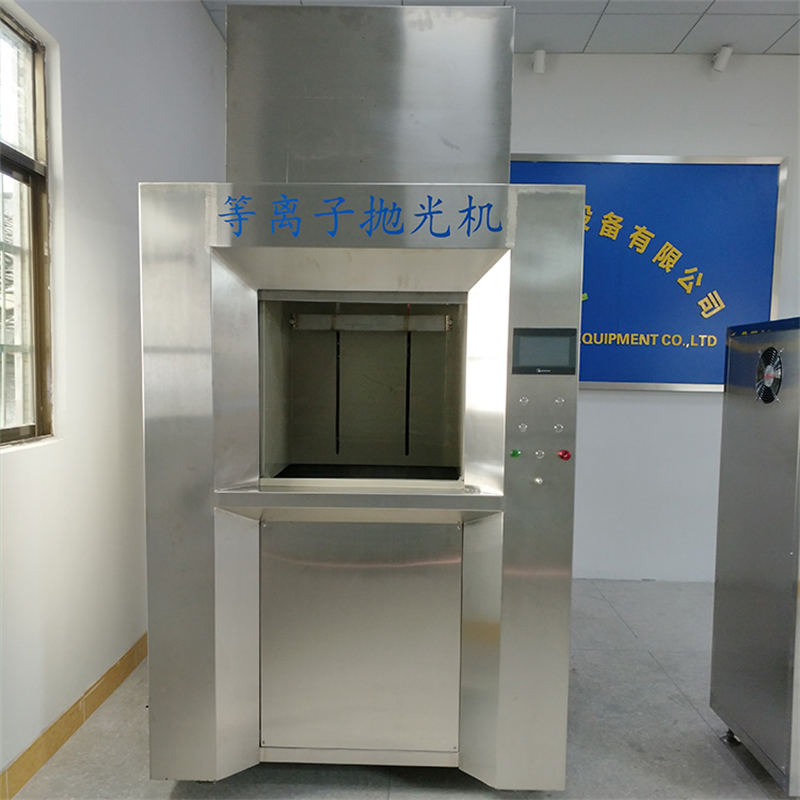
With proper parameter settings and efficient loading of parts, plasma stainless steel polishing equipment can achieve the equivalent workload of 15 to 20 manual workers, significantly reducing labor costs and increasing production throughput.
3. Advantages Over Traditional Methods
Compared to conventional polishing processes, plasma polishing not only enhances productivity but also offers several outstanding benefits:
• Superior Environmental Performance: No toxic gas emissions, no acid or alkaline waste, and a clean, odor-free workshop environment.
• High Consistency: Automated and non-contact process ensures stable, uniform polishing results, eliminating human error.
• Versatility: Suitable for various shapes and sizes of stainless steel components, including those with complex geometries. It's widely used in medical instruments, kitchenware, precision parts, and more.
In addition, plasma stainless steel polishing systems are highly automated, user-friendly, and require minimal post-treatment or maintenance. These features make them ideal for modern precision manufacturing.
Plasma stainless steel polishing, with its high efficiency, safety, and eco-friendliness, is rapidly replacing traditional polishing methods and leading a new trend in surface finishing. By configuring the equipment power and product parameters scientifically, manufacturers can greatly enhance their hourly output while maintaining exceptional surface quality. For companies focused on efficiency and product excellence, adopting plasma polishing technology is a strategic move that cuts labor costs and strengthens competitive advantage.