

1: Introduction to Gold Jewellery Polish Machine
What is a Gold Jewellery Polish Machine
A gold jewellery polish machine is specialized equipment designed to enhance the surface finish of gold jewelry by removing scratches, oxidation, and surface imperfections. It plays a critical role in achieving a mirror-like shine and professional-grade quality in jewelry production. Whether used in large-scale factories or small workshops, this machine ensures consistent polishing results.
Why Polishing is Essential in Jewelry Manufacturing
Polishing is one of the most important finishing processes in jewelry manufacturing. Without proper polishing, even the most intricately designed jewelry can appear dull and unattractive. A jewellery polish machine improves brightness, smoothness, and overall aesthetic appeal, directly influencing customer satisfaction and product value.
Evolution of Jewelry Polishing Equipment
Traditional polishing methods relied heavily on manual labor, requiring skilled workers and long processing times. Today, modern jewelry polishing equipment includes automated and semi-automated systems that significantly improve efficiency and consistency. Advanced technologies such as magnetic polishing and CNC-controlled polishing machines are revolutionizing the industry.
Role of a Professional Jewelry Polishing Machine
A professional jewelry polishing machine not only enhances surface quality but also ensures precision and repeatability. It minimizes human error and allows manufacturers to maintain high standards across large production batches. For businesses seeking scalability, investing in the best jewelry polishing machine is essential.
Market Demand and Industry Growth
With the increasing global demand for high-quality gold jewelry, the need for efficient gold polish machines is rapidly growing. Jewelry manufacturers are continuously upgrading their equipment to stay competitive, making the role of a reliable polishing machine manufacturer more important than ever.
2. Types of Jewellery Polish Machines
Manual vs Automatic Jewellery Polish Machine
Manual jewellery polish machines are ideal for small workshops or custom jewelry projects. They allow craftsmen to have precise control over the polishing process, suitable for delicate or intricately designed pieces. However, manual machines require skilled labor and longer processing times. In contrast, automatic or semi-automatic machines significantly improve efficiency, consistency, and output, making them suitable for larger production scales. Using an automatic jewellery polish machine reduces human error while maintaining high-quality finishes.
Jewelry Plasma Polishing Machines
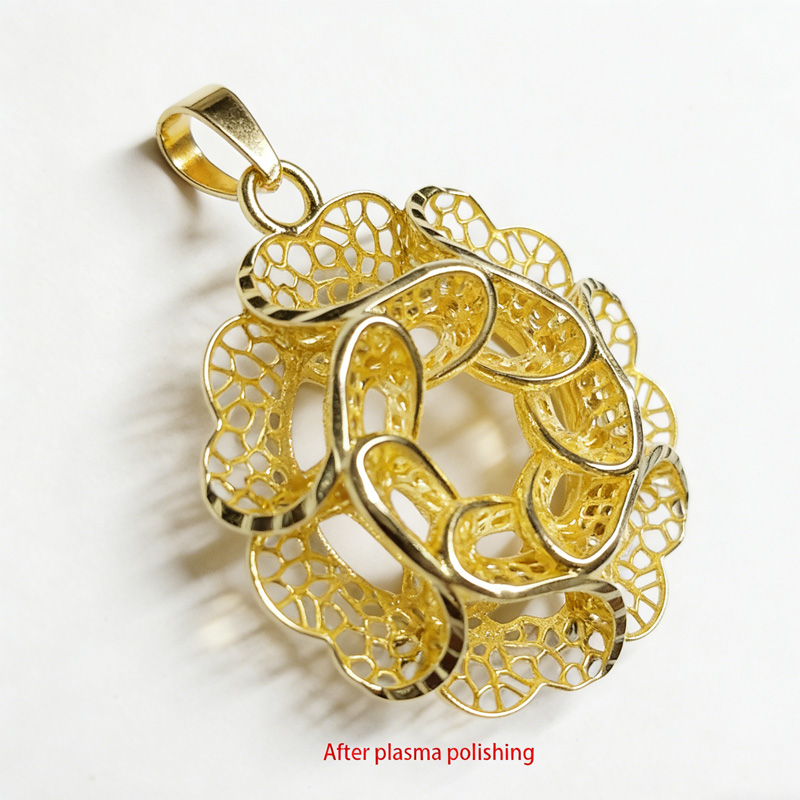
Jewelry plasma polishing machines represent the latest innovation in jewelry finishing technology. These machines use plasma energy to achieve precise, uniform polishing on complex designs with minimal manual labor. They are ideal for delicate gold, silver, or alloy jewelry where high consistency and surface quality are essential. High-end workshops often integrate plasma polishing with automated finishing systems to maximize efficiency and maintain uniform shine across all pieces. Investing in a professional jewelry plasma polishing machine ensures superior results and keeps manufacturers competitive in the modern market.
Magnetic Polishing Machines
Magnetic polishing machines use magnetic fields to move abrasive media, enabling rapid and uniform polishing of gold and other metals. They are particularly effective for small, delicate components that are difficult to handle with traditional tumbling methods. These machines provide a smooth finish, minimize surface damage, and are increasingly favored in high-end jewelry workshops. Investing in a jewellery gold polish machine with magnetic technology can enhance both speed and precision.
Vibratory Polishing Machines
Vibratory polishing machines operate by creating vibrations that move media and parts together, producing smooth and polished surfaces efficiently. They are ideal for polishing multiple small jewelry pieces simultaneously, saving time and labor costs. The machine is compatible with a variety of materials including gold, silver, brass, and alloys. For jewelry manufacturers looking for high productivity, vibratory machines are an essential addition to their jewelry polishing equipment lineup.
3. Key Features of a Professional Jewelry Polishing Machine
Precision Polishing Capability
A professional gold polish machine must provide precise polishing to maintain the integrity of delicate jewelry designs. Fine details like engraving, filigree, or stone settings require a machine capable of achieving uniform shine without damaging surfaces. Features such as adjustable speed and multi-stage polishing processes are critical for achieving top-quality finishes.
Speed and Efficiency
Efficiency is vital for commercial jewelry production. The best jewelry polishing machines offer high-speed operation without compromising quality. Automated processes, large-capacity tumblers, and multi-head systems allow manufacturers to process hundreds of pieces per day while maintaining consistent results.
Durability and Build Quality
A durable jewellery polish machine is an investment. High-quality materials, corrosion-resistant components, and robust motor systems ensure long-term reliability. Reliable equipment reduces downtime, minimizes maintenance costs, and supports sustained production in busy workshops or factories.
Safety Features
Safety is crucial in jewelry polishing due to high-speed abrasives and rotating parts. Features like emergency stop buttons, protective covers, and overload protection are standard in professional jewelry polishing machines. These safeguards protect operators and ensure compliance with workplace safety regulations.
4. How to Choose the Best Jewelry Polishing Machine
Based on Production Scale
Small workshops may rely on manual or semi-automatic machines, while large-scale factories benefit from fully automated systems. Matching machine type to production volume ensures efficiency without overspending on unnecessary features.
Based on Material
Different metals require different polishing approaches. Gold, silver, brass, and alloy jewelry may need specific abrasives and machine settings. A versatile jewellery gold polish machine allows switching between materials easily.
Budget Considerations
Investing in a professional jewelry polishing machine requires balancing cost and value. High-end machines offer advanced features and durability, while budget-friendly models may suit smaller operations. Evaluate return on investment (ROI) based on production needs.
Comparing Polishing Machine Manufacturers
Selecting a reputable polishing machine manufacturer ensures access to quality machines, technical support, and spare parts. Consider manufacturers with proven experience, positive reviews, and customization options for specific jewelry polishing requirements.
5. Applications of Gold Polish Machine in Industry
Gold polish machines are widely used across jewelry manufacturing factories, custom workshops, and repair centers. Large factories use vibratory or automated systems for mass production, while bespoke workshops often rely on manual or magnetic polishing machines for intricate designs. Repair and restoration workshops also depend on these machines to restore luster and remove scratches, oxidation, or tarnishing from worn pieces.
6. Advantages of Using Jewelry Polishing Equipment
Using professional jewelry polishing equipment offers several advantages:
① Improved surface finish – ensures mirror-like shine.
② Increased productivity – faster processing of multiple pieces.
③ Reduced labor costs – less reliance on manual polishing.
④ Consistent quality – every piece meets the same high standard.
7. Step-by-Step Gold Jewellery Polishing Process
Cleaning and Preparation – Remove oils, dirt, and residues.
Rough Polishing – Remove scratches and shape surface.
Fine Polishing – Smoothen surface and enhance shine.
Final Finishing – Buffing and inspection for mirror-like quality.
8. Maintenance Tips for Jewellery Polish Machine
Daily cleaning to remove abrasive residue.
Lubricate moving parts regularly.
Check belts, motors, and safety features.
Replace worn media promptly.
Follow the manufacturer's instructions to extend machine lifespan.
9. Future Trends in Jewelry Polishing Technology
The jewelry polishing industry is evolving with:
● Automation & AI – robotic systems reduce manual labor.
● Eco-friendly solutions – waterless and chemical-free polishing.
● Smart polishing systems – sensors optimize process for precision.
10. Conclusion
Choosing the right gold jewellery polish machine is critical for efficiency, quality, and profitability. Understanding machine types, features, and industry applications helps manufacturers make informed decisions. Investing in reliable jewelry polishing equipment ensures consistent, high-quality results, meeting the growing demand for polished gold jewelry worldwide.