

The Challenge: Why Titanium Is Hard to Polish
Titanium’s combination of high strength, toughness, and low thermal conductivity creates multiple manufacturing headaches:
-
Abrasive grinding wears tools rapidly and risks heat damage or discoloration.
-
Micro-burrs and internal features (blind holes, thin walls) are nearly impossible to polish manually.
-
Inconsistent manual processes inflate labor costs and yield variable quality—unacceptable for premium components.
Plasma Polishing: How It Works
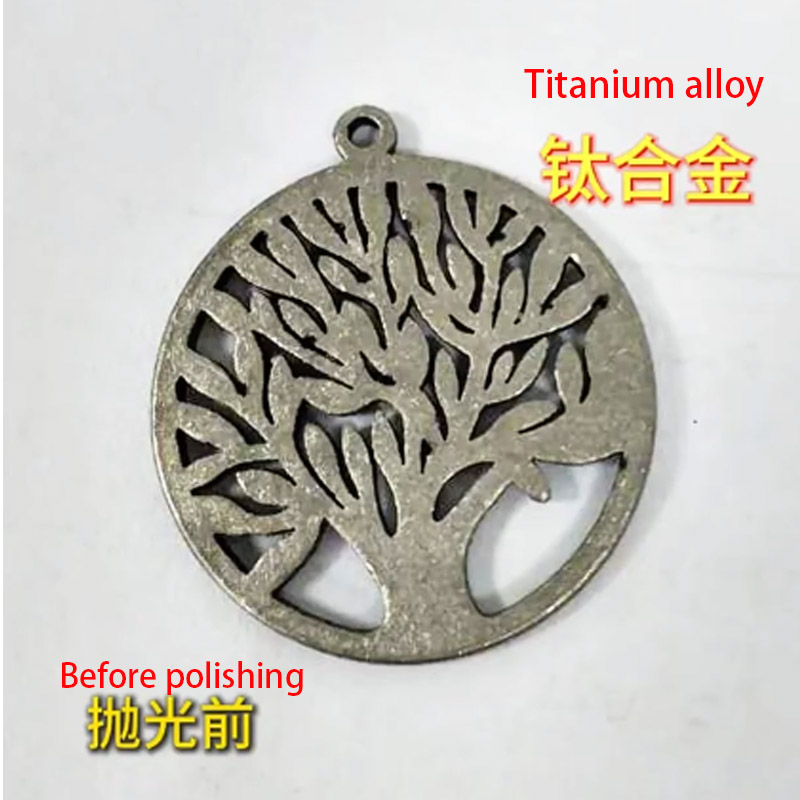
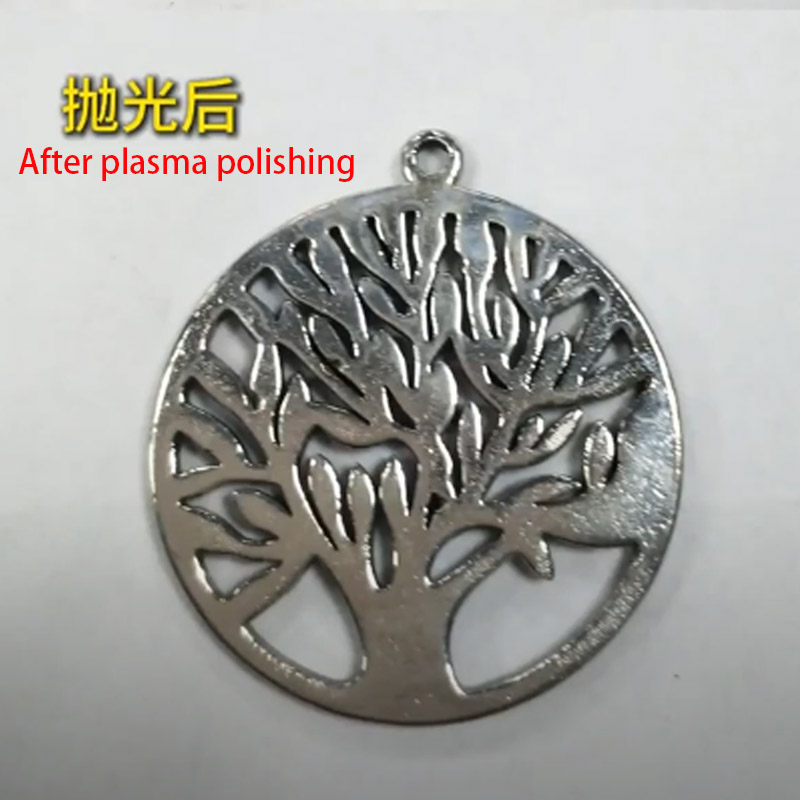
A plasma polishing machine uses electrolytic or low-temperature plasma discharges to remove microscopic metal layers, rounding sharp edges and smoothing surface peaks.
Key Benefits:
-
Non-contact and highly controllable
-
Reaches internal bores, cross-holes, and micro-features
-
Achieves ultra-low roughness (Ra 0.02 µm) and durable mirror finishes
-
Minimizes edge loss and preserves geometry
Think of it as a “full finishing line in one machine”—replacing slow manual polishing stations and delivering industrial consistency.
Why Customers Choose Bayi: Real Pain Points & Solutions
Pain Point 1: Mirror Finish Is Hard to Achieve Consistently
-
Solution:
Automated plasma polishing control ensures stable, repeatable output of mirror polish titanium finishes across large batches. One machine behaves like an entire production line, giving manufacturers consistent premium surface quality.
Pain Point 2: Internal Features and Complex Structures Are Hard to Reach
-
Solution:
Plasma discharges can penetrate internal cavities and complex geometries, achieving true inside-and-out polishing. Even blind holes, thin walls, and micro-features are polished without manual intervention.
Pain Point 3: Traditional Polishing Causes Heat Damage and Dimensional Variations
-
Solution:
Plasma polishing removes only a micron-thin layer of material and generates minimal heat, preserving edge integrity and dimensional precision even on tight-tolerance titanium parts.
Industry Trends Driving Plasma Adoption
-
Automation Replaces Manual Polishing
Global manufacturers are reducing labor dependency for high-precision titanium parts. -
Stricter Environmental Regulations
Chemical polishing and electrolytes face increasing restrictions, making plasma a cleaner alternative. -
Higher Surface Quality Standards
Aerospace, medical, and high-end consumer products demand stable, mirror-grade surfaces. -
Increasing Complexity of Titanium Parts
3D-printed titanium components and intricate designs require finishing methods that can reach internal structures.
Conclusion: Plasma polishing aligns perfectly with future manufacturing trends.
Evaluating the Best Way to Polish Titanium
| Criterion | Mechanical | Chemical | Plasma |
|---|---|---|---|
| Precision | Low | Medium | High |
| Internal Features | Poor | Medium | Excellent |
| Thermal Impact | High | Medium | Minimal |
| Environmental Compliance | Medium | Poor | Good |
| Consistency | Low | Medium | High |
| Surface Finish | Medium | Medium | Mirror-grade |
Case Study: Bengang Forklift
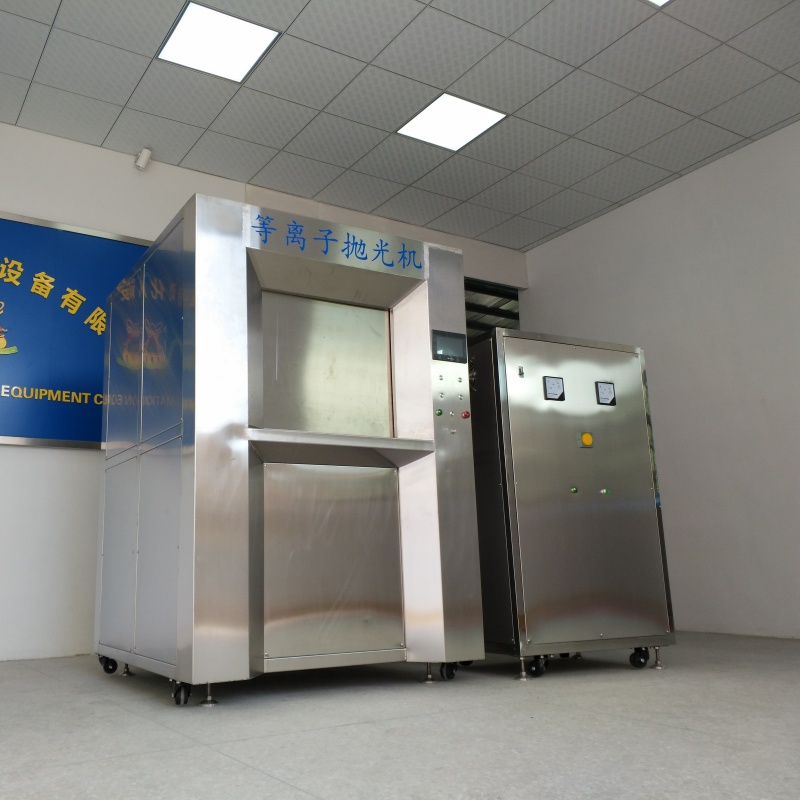
A leading industrial equipment manufacturer, Modoga Forklift, implemented Bayi’s plasma polishing system to enhance the surface finish and precision of their high-performance components. The results included improved consistency, reduced rework, and better overall quality control.
This demonstrates how Bayi’s plasma polishing machines solve real production pain points, delivering both quality and efficiency.
Real-World Benefits and ROI
Manufacturers replacing manual buffing or chemical finishing typically see:
-
Reduced labor hours
-
Fewer rejects
-
Higher average selling price per part
One plasma polishing machine often pays for itself through improved yield and premium pricing, not just cost savings.
Summary
Titanium’s value depends heavily on surface quality. Automated plasma polishing machines provide mirror finishes, repeatable industrial throughput, cost-effective automation, and environmental compliance.
For manufacturers searching for the best way to polish titanium, plasma polishing is no longer optional—it’s the future.
Call to Action:
Contact Bayi today for a free sample test and ROI consultation — see how one machine can unlock a whole new price tier for your titanium products.