

1. Start with the problem: what kind of burrs are you removing?
Not all burrs are the same. Before evaluating machines, identify the burr types and locations on your parts:
-
Flash or sprue remnants from molding
-
Edge burrs from stamping or machining
-
Micro-burrs on precision components
-
Internal burrs in holes and threaded features
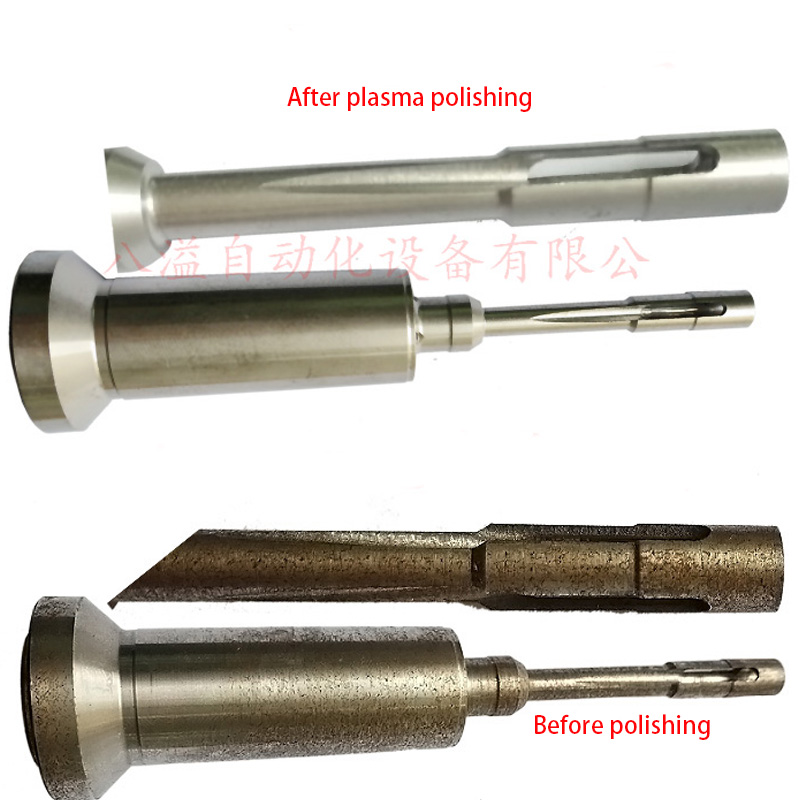
Matching the burr profile to the right technology — mechanical, tumbling, chemical, or plasma — is the first step. If you need non-contact, high-precision finishing with low deformation risk, investigate plasma-based metal deburring solutions.
2. Consider material compatibility and part geometry
Different metals and alloys respond differently to finishing processes. Ask:
-
What metals are you processing? (stainless steel, aluminum, titanium, Kovar, etc.)
-
How hard or thin are the parts?
-
Do you have complex geometries or delicate features?
A versatile metal deburring machine or portfolio of metal deburring equipment should allow you to adjust parameters (energy, time, positioning) to get consistent metal burr removal across varied materials and shapes.
3. Throughput & cycle time: match machine capacity to production needs
Calculate the parts-per-hour you require and factor in:
-
Single-part cycle time vs. batch processing
-
Changeover time between part types
-
Integration with upstream and downstream lines
Automated systems or continuous inline setups reduce labor and deliver repeatable metal deburring services at scale. For low-volume, high-mix shops, flexible benchtop or modular systems may be more cost-effective.
4. Precision, repeatability, and process control
A high-performing solution must give you repeatable results:
-
Digital process controls for programming and recipe management
-
Closed-loop feedback (if available) for consistent removal rates
-
Fine steps for adjusting intensity, dwell time, or plasma parameters
If you require tight tolerances or cosmetic finishes, prioritize machines that offer precise control and documented process recipes. This is especially important when outsourcing metal deburring services — ask providers for reproducible trial results.
5. Part fixturing and automation readiness
How will parts be held and presented to the machine?
-
Custom fixtures or universal jigs?
-
Robotic loading/unloading or manual feeding?
-
Fixtures that prevent part damage while exposing burr zones?
Good fixtures are critical for consistent metal burr removal. If you plan to scale, choose equipment designed for easy automation integration.
6. Environmental, safety, and maintenance considerations
Compare machines by their operational footprint:
-
Are there harmful consumables or chemicals?
-
What is the ventilation or exhaust requirement?
-
How easy is routine maintenance or replacement of wear parts?
Plasma-based systems typically avoid chemical baths and abrasive media, reducing waste and improving shop safety. Evaluate total cost of ownership (TCO) — not just purchase price.
7. Service, training, and process support
A machine is only as good as the people behind it. Ask vendors about:
-
On-site commissioning and process tuning
-
Sample trials and proof-of-concept runs
-
Operator training and troubleshooting support
-
Spare parts availability and preventive maintenance plans
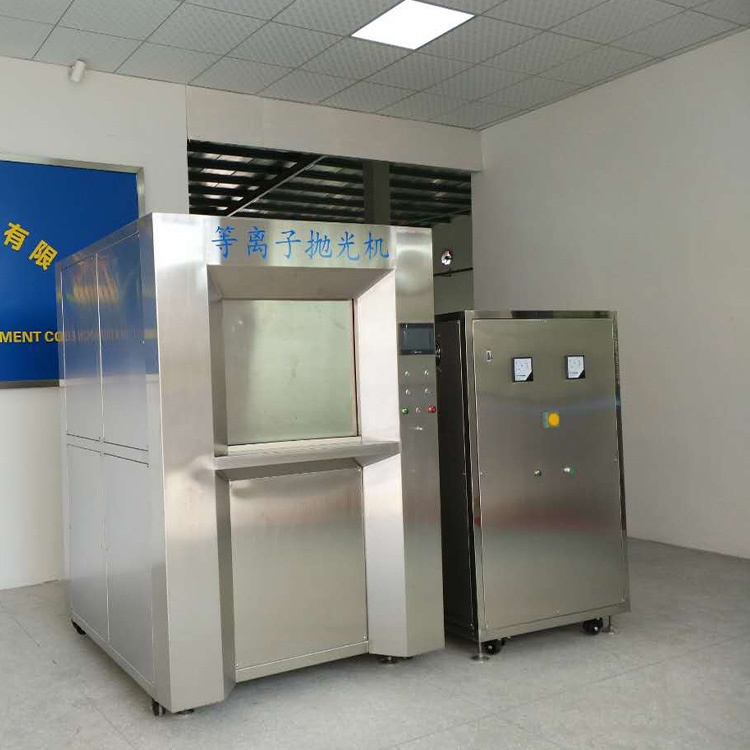
If you're evaluating metal deburring equipment, prioritize suppliers who offer comprehensive metal deburring services — from sample testing to long-term support.
8. Validate with trials and measurable KPIs
Before committing, run real-world trials:
-
Measure burr height reduction, surface roughness (Ra), and dimensional shift
-
Track throughput, yield, scrap rate, and per-part finishing cost
-
Compare before/after assembly performance and customer feedback
A vendor that provides documented trial data and clear KPIs will reduce your implementation risk.
9. Total cost of ownership (TCO) & ROI
Don’t be lured solely by low capital cost. Include:
-
Labor savings and reduced rework
-
Consumables and utilities
-
Downtime and maintenance labor
-
Productivity gains and improved product quality
Calculate ROI for different scenarios — often a slightly higher initial investment in reliable metal deburring equipment pays back quickly through reduced scrap and faster throughput.
10. Final checklist (quick decision helper)
-
Have you characterized the burr type and part geometry? ✅
-
Is the machine compatible with your primary materials? ✅
-
Does capacity meet your throughput needs? ✅
-
Are control, fixturing, and automation options adequate? ✅
-
Does the vendor provide process trials and ongoing metal deburring services? ✅
If you can tick most boxes, you’re ready to request quotes and trial runs.
Conclusion — Make the choice that future-proofs your finishing line
Choosing the best metal deburring machine means balancing precision, throughput, versatility, and long-term support. For many precision manufacturers, plasma-based metal deburr systems offer non-contact, repeatable metal burr removal with lower environmental impact and excellent control — especially when backed by a vendor that provides full metal deburring services and process development.
If you'd like, BAYI can help you evaluate parts, run sample trials, and produce a side-by-side ROI comparison so you select the ideal metal deburring equipment for your needs. Ready to turn burr problems into finished success? Contact BAYI for a free consultation and trial.